Hey there! As a supplier of 301 stainless steel sheets, I often get asked whether 301 stainless steel sheet can be used in wind - power generation equipment. Well, let's dive right into this topic and find out.
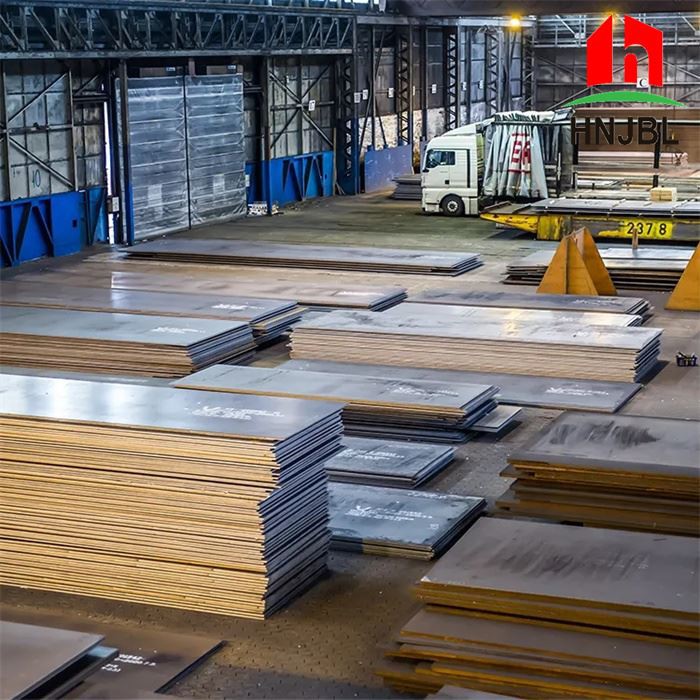

First off, let's talk a bit about what 301 stainless steel is. 301 stainless steel is a type of austenitic stainless steel. It has a good combination of strength and formability. It contains chromium and nickel, which give it some decent corrosion - resistance properties. The chromium forms a passive oxide layer on the surface of the steel, protecting it from rust and other forms of corrosion. And the nickel helps to enhance its toughness and ductility.
Now, when it comes to wind - power generation equipment, there are several key requirements. One of the most important ones is durability. Wind turbines are often located in harsh environments, like offshore areas or windy plains. These places can expose the equipment to strong winds, saltwater (in the case of offshore turbines), extreme temperatures, and even sandstorms in some regions. So, any material used in wind - power generation needs to be able to withstand these tough conditions over a long period of time.
In terms of corrosion resistance, 301 stainless steel does have a certain level of protection against rust. However, compared to some other grades of stainless steel, like Stainless Steel 2mm Plate 316, its corrosion - resistance is not as high. 316 stainless steel contains molybdenum, which significantly improves its resistance to pitting and crevice corrosion, especially in chloride - rich environments such as seawater. So, if the wind - power equipment is going to be installed offshore, 301 might not be the best choice due to the risk of corrosion.
But what about onshore wind turbines? Onshore, the environment is generally less corrosive compared to offshore. 301 stainless steel could potentially be used in some non - critical components of onshore wind - power generation equipment. For example, it could be used in some of the internal structural parts that are not directly exposed to the elements. Its good formability means it can be easily shaped into the required parts, which can save on manufacturing costs.
Another important factor in wind - power generation is strength. Wind turbines are subjected to high mechanical stresses due to the rotation of the blades and the forces exerted by the wind. 301 stainless steel has relatively high strength, especially when it is cold - worked. Cold - working can increase its yield strength and tensile strength, making it suitable for applications where strength is crucial. So, in parts of the wind turbine that need to withstand mechanical loads, 301 stainless steel can be a viable option.
However, we also need to consider the cost. 301 stainless steel is generally more affordable than some other high - performance stainless steels. This cost - effectiveness can be a big advantage, especially for large - scale wind - power projects where cost is a major concern. If the project has a tight budget and the environmental conditions are not extremely harsh, using 301 stainless steel sheets can help to keep the overall cost down.
Now, let's talk about the maintenance aspect. Even though 301 stainless steel has some corrosion - resistance, regular maintenance is still necessary, especially if it is used in a relatively corrosive environment. This could involve cleaning the surfaces to remove any dirt or debris that might trap moisture and cause corrosion. And in case there are any signs of corrosion, appropriate measures need to be taken, such as applying protective coatings.
In addition to the above, when it comes to the electrical conductivity of 301 stainless steel, it's not as high as some other metals. But in wind - power generation, electrical conductivity is not always a top priority for most structural components. However, for parts that are involved in the electrical systems of the wind turbine, other materials with better electrical conductivity might be more suitable.
If you're thinking about using 301 stainless steel sheets in your wind - power generation project, it's also important to consider the manufacturing process. 301 stainless steel can be easily welded, which is a big plus in the manufacturing of wind - power equipment. Welding is a common method for joining different parts together, and the ease of welding 301 stainless steel can simplify the manufacturing process.
Let's also compare 301 stainless steel with 304 2B BA Stainless Steel Sheet. 304 stainless steel is another popular austenitic stainless steel. It has better corrosion - resistance than 301 in general. But 301 has higher strength when cold - worked. So, depending on the specific requirements of your wind - power project, you need to make a choice between these two materials.
When it comes to aesthetic requirements, if the wind - power equipment is going to be visible and you want it to look good, you might consider Color Sheet Champaign Gold Rose Gold Titanium Gold 304. But keep in mind that these colored sheets are mainly for aesthetic purposes and might not be as suitable for structural applications as 301 or 304 stainless steel in their regular forms.
In conclusion, 301 stainless steel sheets can be used in wind - power generation equipment, but it depends on a variety of factors. For onshore projects with a tight budget and non - extremely harsh environmental conditions, 301 can be a great option for some non - critical and structural components. However, for offshore projects or parts that are directly exposed to corrosive elements, other more corrosion - resistant stainless steels might be a better choice.
If you're interested in using 301 stainless steel sheets for your wind - power generation project or have any questions about our products, feel free to reach out and start a procurement discussion. We're here to help you make the best decision for your project.
References
- ASM Handbook Committee. ASM Handbook Volume 13A: Corrosion: Fundamentals, Testing, and Protection. ASM International, 2003.
- Davis, J.R. Stainless Steels. ASM International, 1994.