

Hey there! As a chain steel supplier, I often get asked whether chain steel can be easily welded. It's a pretty common question, especially for those who are new to working with chain steel or are planning a project that involves welding it. So, let's dive right into this topic and find out the ins and outs of welding chain steel.
First off, it's important to understand that chain steel comes in different types and grades, and each one has its own characteristics when it comes to welding. Some chain steels are relatively easy to weld, while others can be a bit more challenging.
One of the factors that affect the weldability of chain steel is its chemical composition. For example, 20Mn Chemical Composition plays a crucial role. The 20Mn steel typically has a certain amount of carbon, manganese, and other elements. A lower carbon content generally makes the steel more weldable because it reduces the risk of cracking during the welding process. When the carbon content is too high, the steel can become brittle in the heat - affected zone, which is the area around the weld that gets heated up during welding.
Another popular type of chain steel is 45 Mn Carbon Steel. This steel has a higher carbon content compared to 20Mn. The increased carbon gives the steel more strength, but it also makes welding a bit trickier. You need to be more careful with the welding parameters, like the welding current, voltage, and speed. If you don't get these right, you might end up with a weld that has defects such as porosity, lack of fusion, or cracking.
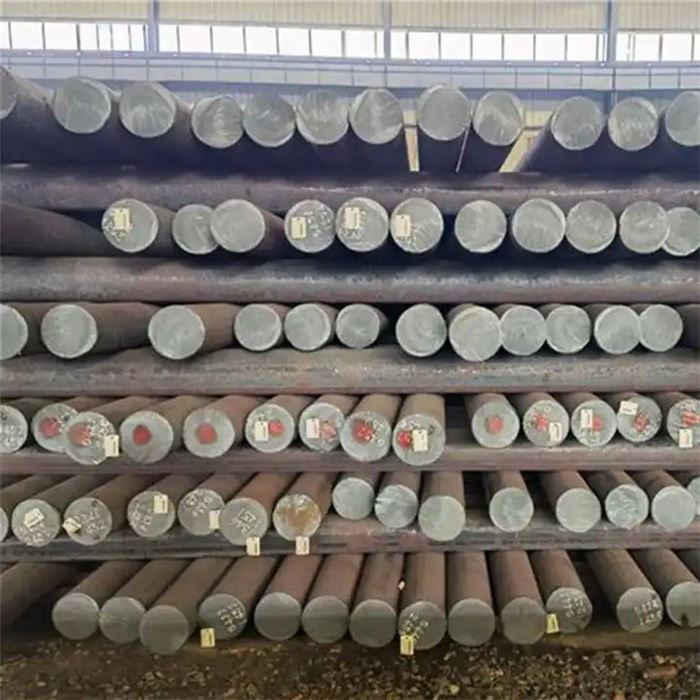

GB 40Mn is also a well - known grade in the chain steel market. Similar to 45 Mn, it has its own set of challenges when it comes to welding. The manganese content in these steels helps to improve their hardenability, which is the ability of the steel to form martensite (a hard and brittle phase) when cooled rapidly. However, this same property can cause problems during welding if the cooling rate is not controlled properly.
Now, let's talk about the welding processes that can be used for chain steel. One of the most common methods is shielded metal arc welding (SMAW), also known as stick welding. This process is relatively simple and can be used in various environments. You just need a welding machine, welding electrodes, and a proper grounding. The electrodes are selected based on the type of chain steel you're welding. For example, for a lower - carbon chain steel like 20Mn, you can use electrodes that are designed for mild steel welding.
Gas metal arc welding (GMAW), or MIG welding, is another option. It's faster than SMAW and can produce high - quality welds. With GMAW, you use a continuous wire electrode and a shielding gas to protect the weld from atmospheric contamination. This process is great for larger chain steel projects where you need to cover a lot of area quickly.
Tungsten inert gas welding (TIG) is a more precise welding process. It's often used for thinner chain steel sections or when you need a very clean and high - quality weld. TIG welding gives you better control over the heat input, which is important for chain steels that are sensitive to heat.
However, no matter which welding process you choose, there are some general tips that can make the welding of chain steel easier. Pre - heating the chain steel before welding can help reduce the cooling rate and prevent cracking. This is especially important for high - carbon or high - alloy chain steels. You can use a torch to heat the area around the weld to a specific temperature, usually recommended by the steel manufacturer.
Post - weld heat treatment is also crucial. After welding, the chain steel should be slowly cooled to relieve the internal stresses that are created during the welding process. This can be done by covering the welded area with an insulating material and letting it cool naturally.
In addition to the technical aspects of welding, it's also important to have the right skills and experience. Welding chain steel requires a good understanding of the material and the welding process. If you're not confident in your welding skills, it's a good idea to get some training or hire a professional welder.
So, can chain steel be easily welded? Well, it depends. Some types of chain steel are easier to weld than others, and with the right knowledge, equipment, and techniques, you can achieve good - quality welds. Whether you're working on a small DIY project or a large industrial application, understanding the properties of the chain steel and following the proper welding procedures is key.
If you're in the market for chain steel or have any questions about welding it, don't hesitate to reach out. We're here to provide you with the best quality chain steel and offer advice on how to work with it. Whether you're a professional welder or a hobbyist, we can help you find the right type of chain steel for your project.
In conclusion, while welding chain steel can have its challenges, it's definitely doable. By choosing the right chain steel, using the appropriate welding process, and following the best practices, you can create strong and reliable welds. So, if you're thinking about starting a project that involves chain steel, go ahead and give it a try!
References
- Welding Handbook, American Welding Society
- Steel Material Science Textbooks
- Industry reports on chain steel welding practices


