As a reliable supplier of 301 stainless steel sheets, I understand the significance of surface roughness in meeting diverse industrial requirements. The surface roughness of 301 stainless steel sheet not only affects its aesthetic appearance but also plays a crucial role in its functionality, such as corrosion resistance, friction coefficient, and adhesion. In this blog, I will share some effective methods to control the surface roughness of 301 stainless steel sheets.
Understanding Surface Roughness
Before delving into the control methods, it is essential to understand what surface roughness is. Surface roughness refers to the microscopic irregularities on the surface of a material. It is typically characterized by parameters such as Ra (arithmetical mean deviation of the assessed profile), Rz (average maximum height of the profile), and Rq (root mean square deviation of the assessed profile). These parameters are measured using profilometers or other surface measurement instruments.
The surface roughness of 301 stainless steel sheets can be influenced by various factors, including the manufacturing process, material properties, and post - processing treatments. For example, during the rolling process, the roughness of the rolls, the rolling force, and the lubrication conditions can all affect the surface quality of the final product.
Manufacturing Process Control
Rolling Process
The rolling process is one of the primary methods for producing 301 stainless steel sheets. To control the surface roughness during rolling, several aspects need to be considered.
-
Roll Surface Quality: The surface roughness of the rolls directly affects the surface of the stainless steel sheet. Rolls with a smoother surface will generally produce sheets with lower surface roughness. Regular maintenance and re - grinding of the rolls are necessary to ensure their surface quality. For instance, if the rolls are worn out, they can introduce scratches and irregularities on the sheet surface, increasing the surface roughness.
-
Rolling Force and Speed: Appropriate rolling force and speed are crucial for achieving the desired surface roughness. Excessive rolling force can cause deformation and increase the surface roughness, while too low a force may not achieve the required thickness reduction and may also lead to uneven surfaces. Similarly, the rolling speed should be optimized to ensure a stable and smooth rolling process.
-
Lubrication: Lubrication plays an important role in reducing friction and wear during the rolling process. A proper lubricant can help to prevent the adhesion of metal particles on the rolls and the sheet surface, thereby reducing the surface roughness. Different types of lubricants, such as oil - based and water - based lubricants, can be used depending on the specific requirements of the rolling process.
Annealing Process
Annealing is a heat - treatment process that can improve the mechanical properties and surface quality of 301 stainless steel sheets. During annealing, the internal stresses in the sheet are relieved, and the grain structure is refined.
- Annealing Temperature and Time: The annealing temperature and time should be carefully controlled. If the annealing temperature is too high or the time is too long, the surface of the stainless steel sheet may oxidize, resulting in an increase in surface roughness. On the other hand, if the temperature is too low or the time is insufficient, the desired improvement in mechanical properties and surface quality may not be achieved.
- Atmosphere Control: The atmosphere during annealing also affects the surface roughness. An inert atmosphere, such as nitrogen or argon, can be used to prevent oxidation and maintain a smooth surface. In some cases, a reducing atmosphere may be used to remove any existing oxides on the surface.
Post - Processing Treatments
Grinding and Polishing
Grinding and polishing are common post - processing methods used to reduce the surface roughness of 301 stainless steel sheets.
- Grinding: Grinding uses abrasive wheels to remove material from the surface of the sheet. Different grit sizes of abrasive wheels can be used depending on the initial surface roughness and the desired final roughness. Coarse - grit wheels are used for initial material removal, while fine - grit wheels are used for finishing. For example, starting with a 60 - grit wheel for rough grinding and then progressing to a 220 - grit wheel for a smoother finish.
- Polishing: Polishing is a more refined process that uses polishing compounds and pads to achieve an even smoother surface. It can produce a mirror - like finish on the stainless steel sheet. There are different types of polishing methods, such as mechanical polishing, chemical polishing, and electrochemical polishing. Mechanical polishing is the most common method, which involves using a polishing machine with a polishing pad and a polishing compound.
Shot Blasting
Shot blasting is a process in which small metal or ceramic particles are propelled at high speed onto the surface of the stainless steel sheet. This process can be used to clean the surface, remove oxides, and create a uniform surface roughness.
- Shot Material and Size: The choice of shot material and size depends on the desired surface roughness and the application of the stainless steel sheet. For example, steel shots are commonly used for general surface treatment, while ceramic shots can be used for more precise surface finishing. Smaller shot sizes generally produce a smoother surface, while larger shot sizes can create a more textured surface.
- Shot Blasting Parameters: The shot blasting parameters, such as the blasting pressure, the distance between the shot blasting nozzle and the sheet surface, and the blasting time, also need to be optimized to achieve the desired surface roughness.
Material Selection and Quality Control
Raw Material Quality
The quality of the raw material used to produce 301 stainless steel sheets has a significant impact on the final surface roughness. High - quality raw materials with a uniform chemical composition and a fine grain structure are more likely to produce sheets with lower surface roughness.
- Chemical Composition: The chemical composition of 301 stainless steel should meet the relevant standards. Impurities in the raw material can affect the surface quality during the manufacturing process. For example, sulfur and phosphorus impurities can cause brittleness and surface defects, increasing the surface roughness.
- Grain Structure: A fine and uniform grain structure is beneficial for achieving a smooth surface. The raw material should be processed under appropriate conditions to ensure a fine grain size.
Quality Inspection
Regular quality inspection is necessary to ensure that the surface roughness of the 301 stainless steel sheets meets the required standards. Various inspection methods can be used, such as visual inspection, profilometry, and microscopy.
- Visual Inspection: Visual inspection can be used to detect obvious surface defects, such as scratches, pits, and cracks. It is a simple and quick method but may not be able to detect small - scale surface irregularities.
- Profilometry: Profilometry is a more accurate method for measuring surface roughness. It can provide detailed information about the surface profile, including the Ra, Rz, and Rq values.
- Microscopy: Microscopy, such as scanning electron microscopy (SEM), can be used to observe the surface morphology at a microscopic level. It can help to identify the causes of surface roughness, such as the presence of inclusions or grain boundaries.
Conclusion
Controlling the surface roughness of 301 stainless steel sheets requires a comprehensive approach that involves optimizing the manufacturing process, applying appropriate post - processing treatments, and ensuring the quality of the raw materials. By carefully controlling these factors, we can produce 301 stainless steel sheets with the desired surface roughness to meet the diverse needs of our customers.

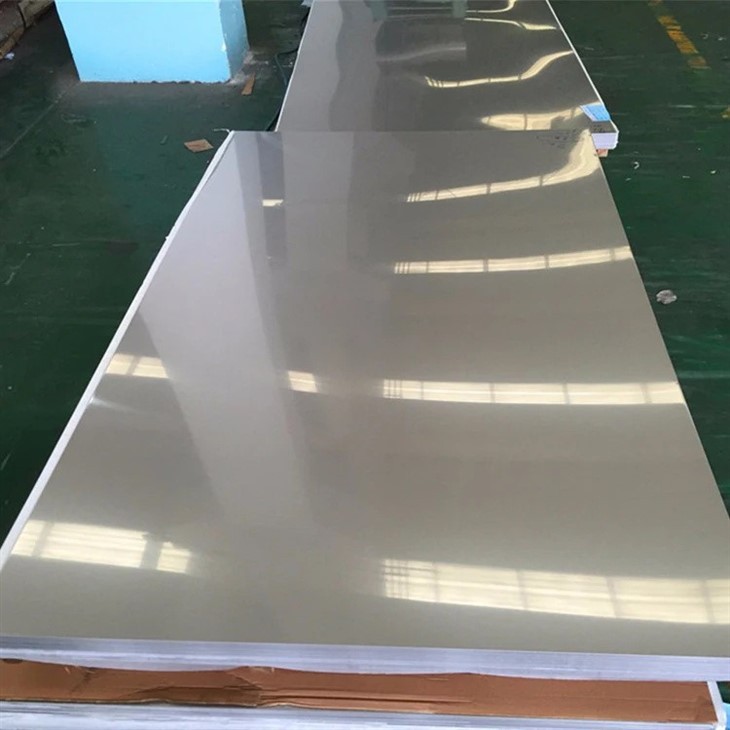
If you are interested in our Stainless Steel Plate 201, Cold Rolled 316 Ss Sheet, or 3mm Thick AISI 304 Stainless Steel Sheet, or have any questions about the surface roughness control of 301 stainless steel sheets, please feel free to contact us for procurement and further discussions.
References
- ASM Handbook, Volume 7: Powder Metal Technologies and Applications. ASM International.
- Callister, W. D., & Rethwisch, D. G. (2012). Materials Science and Engineering: An Introduction. Wiley.
- Schreiner, W. H. (2006). Handbook of Stainless Steels. McGraw - Hill.