

As a dedicated supplier of Saws Blade Steel Strip, I've witnessed firsthand the critical role that wear resistance plays in the performance and longevity of saw blades. In this blog, I'll share some practical strategies and insights on how to enhance the wear resistance of saw blade steel strips, ensuring that your saws deliver consistent and reliable cutting results.
Understanding the Factors Affecting Wear Resistance
Before delving into the methods of enhancing wear resistance, it's essential to understand the factors that contribute to wear in saw blade steel strips. Wear can occur due to various reasons, including friction, abrasion, corrosion, and impact. The type of material being cut, the cutting conditions, and the quality of the steel strip itself all play a significant role in determining the wear rate of the saw blade.
Friction is one of the primary causes of wear in saw blades. When the saw blade comes into contact with the workpiece, friction generates heat, which can cause the steel to soften and wear more quickly. Abrasion occurs when hard particles in the workpiece or the cutting environment scratch the surface of the saw blade, leading to material loss. Corrosion can also weaken the steel strip and reduce its wear resistance, especially in environments with high humidity or exposure to chemicals. Impact wear can occur when the saw blade encounters sudden shocks or vibrations during the cutting process, causing the blade to chip or break.
Choosing the Right Steel Grade
The choice of steel grade is crucial in determining the wear resistance of saw blade steel strips. Different steel grades have different compositions and properties, which can significantly affect their performance in various cutting applications. As a supplier, I offer a range of high-quality steel strips, including D6A High Carbon Steel Strip and X32 Carbon Steel Strip, which are known for their excellent wear resistance and toughness.
High carbon steel grades, such as D6A, contain a higher percentage of carbon, which increases the hardness and wear resistance of the steel. These grades are suitable for cutting hard materials, such as metals and alloys, where high wear resistance is required. Carbon steel grades, such as X32, are also widely used in saw blade applications due to their good combination of strength, toughness, and wear resistance. They are suitable for cutting a variety of materials, including wood, plastic, and non-ferrous metals.

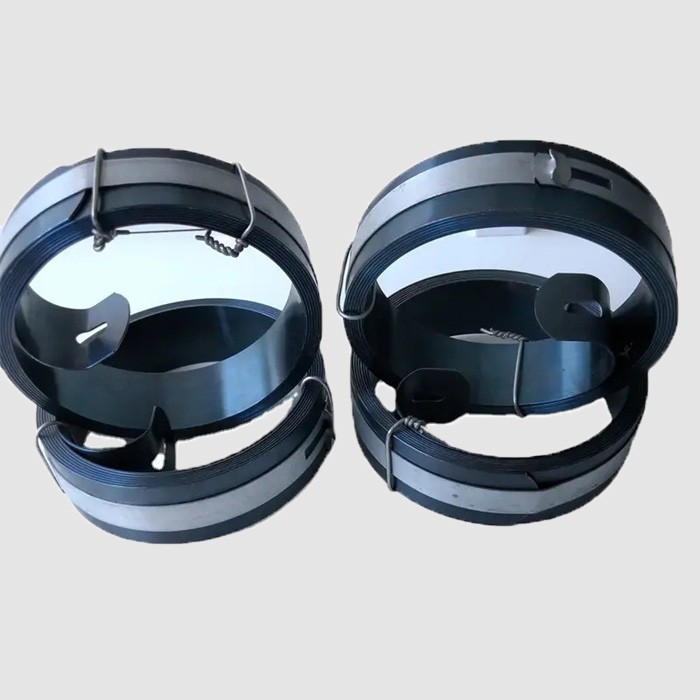
In addition to high carbon and carbon steel grades, bimetal saw blade steel strips are also popular in the market. Bimetal Saw Blade Steel Strips are made by bonding two different types of steel together, typically a high-speed steel (HSS) edge and a carbon steel backing. This combination of materials provides the saw blade with both high wear resistance and flexibility, making it suitable for a wide range of cutting applications.
Heat Treatment
Heat treatment is a critical process in enhancing the wear resistance of saw blade steel strips. By subjecting the steel strip to specific heating and cooling cycles, the microstructure of the steel can be modified to improve its hardness, strength, and wear resistance. There are several heat treatment processes commonly used in the saw blade industry, including quenching, tempering, and annealing.
Quenching is a process in which the steel strip is heated to a high temperature and then rapidly cooled in a quenching medium, such as oil or water. This rapid cooling causes the steel to harden, increasing its wear resistance. However, quenching can also make the steel brittle, so it is usually followed by tempering to reduce the brittleness and improve the toughness of the steel.
Tempering is a process in which the quenched steel strip is heated to a lower temperature and held for a specific period of time before cooling. This process helps to relieve the internal stresses in the steel and improve its toughness and ductility. The tempering temperature and time can be adjusted to achieve the desired combination of hardness and toughness for the specific application.
Annealing is a process in which the steel strip is heated to a high temperature and then slowly cooled in a furnace. This process helps to soften the steel, making it easier to machine and form. Annealing can also improve the uniformity of the microstructure of the steel, which can enhance its wear resistance.
Surface Treatment
Surface treatment is another effective way to enhance the wear resistance of saw blade steel strips. By applying a protective coating or treatment to the surface of the steel strip, the friction and abrasion between the saw blade and the workpiece can be reduced, thereby extending the lifespan of the saw blade. There are several surface treatment methods commonly used in the saw blade industry, including nitriding, coating, and plating.
Nitriding is a process in which nitrogen is introduced into the surface of the steel strip to form a hard nitride layer. This layer provides excellent wear resistance and corrosion protection, making it suitable for cutting hard materials. Coating is a process in which a thin layer of material, such as titanium nitride (TiN) or chromium nitride (CrN), is deposited on the surface of the saw blade using a physical vapor deposition (PVD) or chemical vapor deposition (CVD) process. These coatings can significantly improve the wear resistance and cutting performance of the saw blade.
Plating is a process in which a layer of metal, such as nickel or chromium, is deposited on the surface of the saw blade using an electroplating or electroless plating process. These coatings can provide good corrosion protection and improve the lubricity of the saw blade, reducing friction and wear.
Proper Cutting Conditions
In addition to choosing the right steel grade, heat treatment, and surface treatment, proper cutting conditions are also essential in enhancing the wear resistance of saw blade steel strips. The cutting speed, feed rate, and depth of cut should be carefully selected based on the type of material being cut, the saw blade geometry, and the cutting machine.
Cutting at too high a speed can generate excessive heat, which can cause the saw blade to wear more quickly. On the other hand, cutting at too low a speed can result in poor cutting performance and increased wear due to the increased friction between the saw blade and the workpiece. The feed rate should also be adjusted to ensure that the saw blade is cutting efficiently without overloading the blade.
The depth of cut should be carefully controlled to avoid overloading the saw blade and causing excessive wear. Cutting too deep can also increase the risk of blade breakage, especially when cutting hard materials. It is recommended to use a sharp saw blade and to replace the blade when it becomes dull to ensure optimal cutting performance and wear resistance.
Maintenance and Care
Proper maintenance and care of saw blades are essential in ensuring their long-term performance and wear resistance. After each use, the saw blade should be cleaned to remove any debris or chips that may have accumulated on the blade. This can help to prevent corrosion and reduce the risk of damage to the blade.
The saw blade should also be stored in a dry and clean environment to prevent corrosion. If the saw blade is not going to be used for an extended period of time, it is recommended to apply a thin layer of oil to the blade to protect it from corrosion.
Regular inspection of the saw blade is also important to detect any signs of wear or damage. If the saw blade shows signs of excessive wear, such as dull teeth or chipping, it should be replaced immediately to avoid further damage to the blade and the workpiece.
Conclusion
Enhancing the wear resistance of saw blade steel strips is a complex process that requires careful consideration of various factors, including the choice of steel grade, heat treatment, surface treatment, cutting conditions, and maintenance and care. By following the strategies and insights outlined in this blog, you can significantly improve the wear resistance and performance of your saw blades, ensuring that they deliver consistent and reliable cutting results.
As a supplier of Saws Blade Steel Strip, I am committed to providing high-quality products and technical support to help you achieve the best cutting performance. If you have any questions or need further information about enhancing the wear resistance of saw blade steel strips, please feel free to contact me. I look forward to working with you to meet your saw blade needs.
References
- ASM Handbook, Volume 4: Heat Treating, ASM International, 1991.
- Metals Handbook, Volume 1: Properties and Selection: Irons, Steels, and High-Performance Alloys, ASM International, 1990.
- Saw Blade Technology, Third Edition, Society of Manufacturing Engineers, 2004.


