Hey there! As a supplier of Carbon Tool Steel SK2, I've been getting a lot of questions lately about how to improve its wear resistance. Well, you're in the right place because I'm gonna share some tips and tricks that I've picked up over the years.
First off, let's talk a bit about SK2 Carbon Tool Steel. It's a high - carbon steel that's widely used in various applications like knives, punches, and dies. But like any other material, it can wear out over time, especially when it's exposed to high - stress conditions.
Heat Treatment
One of the most effective ways to improve the wear resistance of SK2 Carbon Tool Steel is through heat treatment. Heat treatment can change the microstructure of the steel, making it harder and more wear - resistant.
There are different types of heat treatment processes, but quenching and tempering are the most common ones for SK2. Quenching involves heating the steel to a specific temperature and then rapidly cooling it. This creates a hard martensitic structure. After quenching, tempering is done to reduce the brittleness of the steel. By heating the quenched steel to a lower temperature and holding it for a certain period, we can relieve the internal stresses and improve the toughness while still maintaining a good level of hardness.
For example, we can heat the SK2 steel to around 780 - 820°C for quenching in oil. Then, tempering can be carried out at 150 - 200°C for a couple of hours. This process can significantly enhance the wear resistance of the steel. You can find more information about SK2 Carbon Tool Steel on our website SK2 Carbon Tool Steel.
Surface Coating
Another great method is surface coating. Applying a hard coating on the surface of the SK2 steel can act as a barrier between the steel and the wear - causing agents.
There are several types of coatings available. One popular option is titanium nitride (TiN) coating. TiN coatings are known for their high hardness, low friction coefficient, and good chemical stability. They can reduce the wear rate of the steel by protecting it from abrasion and corrosion.
Diamond - like carbon (DLC) coatings are also a good choice. DLC coatings have excellent wear resistance, low friction, and high chemical inertness. They can be used in applications where low - friction and high - wear resistance are required, such as in cutting tools.

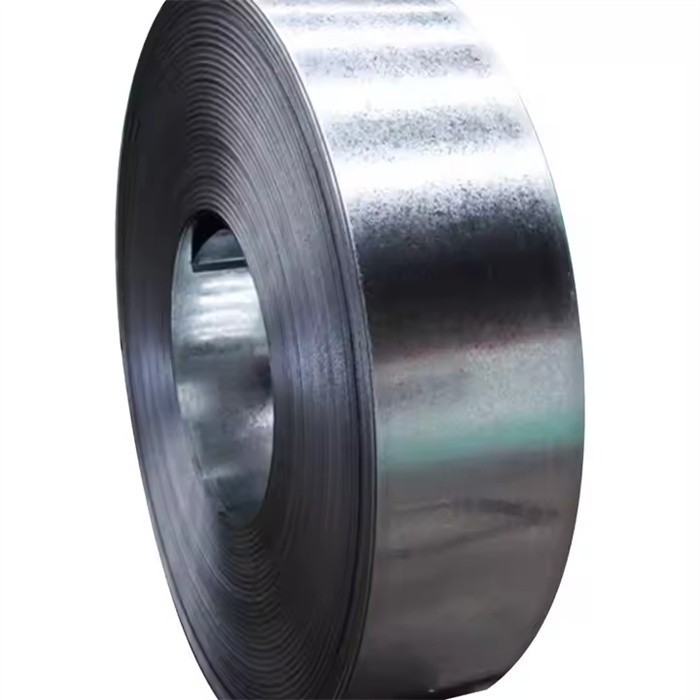
By using surface coatings, we can extend the service life of the SK2 steel products. If you're interested in our SK2 Carbon Tool Steels Strip, we can provide coating services to meet your specific needs.
Alloying Elements
Adding certain alloying elements to the SK2 steel can also improve its wear resistance. For instance, adding chromium (Cr) can increase the hardenability and corrosion resistance of the steel. Chromium forms carbides in the steel, which can enhance the hardness and wear resistance.
Molybdenum (Mo) is another useful alloying element. It can improve the high - temperature strength and wear resistance of the steel. Molybdenum also helps in reducing the temper brittleness of the steel.
Vanadium (V) is known for its ability to form fine carbides, which can refine the grain structure of the steel and improve its wear resistance. By carefully controlling the amount of these alloying elements, we can optimize the properties of the SK2 steel for better wear performance.
Proper Machining and Grinding
The way we machine and grind the SK2 steel also plays a crucial role in its wear resistance. During machining, we need to use the right cutting tools and cutting parameters. Using sharp cutting tools with appropriate cutting speeds and feeds can reduce the surface roughness of the steel and prevent the formation of micro - cracks.
In grinding, we should use the correct grinding wheels and grinding parameters. Over - grinding can generate excessive heat, which can lead to the formation of a heat - affected zone and reduce the wear resistance of the steel. By ensuring proper machining and grinding, we can maintain the integrity of the steel surface and improve its wear performance.
Lubrication
Lubrication is essential when the SK2 steel is used in applications where there is relative motion between the steel and other materials. Using a good lubricant can reduce the friction and wear between the surfaces.
There are different types of lubricants available, such as oil - based lubricants, grease - based lubricants, and water - based lubricants. The choice of lubricant depends on the specific application. For example, in high - temperature applications, oil - based lubricants with high - temperature stability are preferred.
Lubricants can also help in removing the wear debris from the contact surfaces, which can prevent the abrasive wear caused by the debris. By using the right lubricant and ensuring proper lubrication, we can significantly improve the wear resistance of the SK2 steel.
Quality Control
As a supplier, we always pay great attention to quality control. We test the SK2 steel products at every stage of production to ensure that they meet the required standards.
We use various testing methods, such as hardness testing, microstructure analysis, and wear testing. By regularly testing the products, we can detect any potential issues early and take corrective actions. This helps in ensuring that the SK2 steel products we supply have consistent and high - quality wear resistance.
If you're considering other carbon tool steels, you can also check out our SK4 Carbon Tool Steel on our website.
Conclusion
Improving the wear resistance of Carbon Tool Steel SK2 is a multi - faceted process. By using heat treatment, surface coating, alloying elements, proper machining and grinding, lubrication, and strict quality control, we can enhance the wear performance of the steel and extend its service life.
If you're in the market for high - quality SK2 Carbon Tool Steel products or have any questions about improving its wear resistance, don't hesitate to contact us for a procurement discussion. We're here to help you find the best solutions for your specific needs.
References
- ASM Handbook Volume 4: Heat Treating
- Metals Handbook Desk Edition, Third Edition
- Surface Engineering for Wear Resistance by David Scott