

Is SK4 carbon tool steel suitable for hot - working applications?
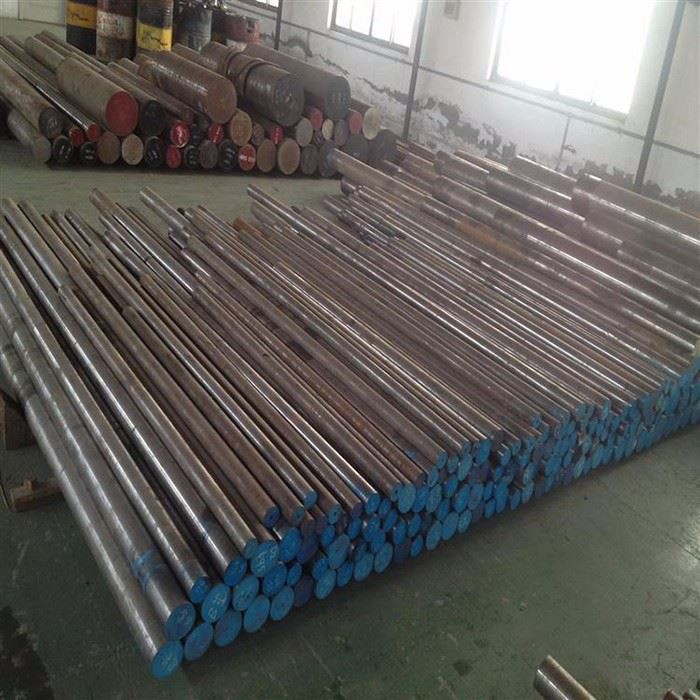

As a supplier of SK4 Carbon Tool Steel, I've encountered numerous inquiries regarding its suitability for hot - working applications. In this blog, I'll delve into the properties of SK4 carbon tool steel and analyze whether it can meet the demands of hot - working scenarios.
Properties of SK4 Carbon Tool Steel
SK4 carbon tool steel is a high - carbon steel with a carbon content typically ranging from 0.95% to 1.05%. This relatively high carbon content endows it with several key characteristics.
High Hardness: The high carbon content enables SK4 to achieve high hardness after proper heat treatment. This hardness is beneficial for applications where wear resistance is crucial. For example, in cold - working applications such as cutting tools for metals, the high hardness allows the tool to maintain its cutting edge for a longer time, reducing the frequency of tool replacement.
Good Wear Resistance: Due to its high hardness, SK4 carbon tool steel exhibits excellent wear resistance. When used in applications where the material is in contact with other hard surfaces and experiences friction, it can withstand the wear caused by the interaction. This makes it a popular choice for dies and punches in cold - forming processes.
Low Cost: Compared to some alloy tool steels, SK4 carbon tool steel is relatively inexpensive. This cost - effectiveness makes it an attractive option for many manufacturers, especially those with budget constraints.
Requirements for Hot - Working Applications
Hot - working applications involve processes such as hot forging, hot rolling, and hot extrusion, where the workpiece is deformed at elevated temperatures. These processes place specific demands on the tool steel used.
High Thermal Stability: In hot - working, the tool is exposed to high temperatures for extended periods. The tool steel must be able to maintain its mechanical properties, such as hardness and strength, at these elevated temperatures. If the steel loses its hardness rapidly due to the heat, the tool will wear out quickly and may not be able to perform its function effectively.
Good Thermal Fatigue Resistance: The repeated heating and cooling cycles during hot - working can cause thermal fatigue in the tool steel. Thermal fatigue can lead to the formation of cracks on the tool surface, which can ultimately result in tool failure. A suitable tool steel for hot - working applications should have good thermal fatigue resistance to withstand these cyclic temperature changes.
High Toughness: During hot - working, the tool is subjected to high impact forces. The tool steel needs to have sufficient toughness to prevent brittle fracture. A tool with low toughness may break under the impact load, causing damage to the workpiece and potentially disrupting the production process.
Analysis of SK4 Carbon Tool Steel for Hot - Working Applications
When considering SK4 carbon tool steel for hot - working applications, we need to evaluate how well it meets the requirements mentioned above.
Thermal Stability: SK4 carbon tool steel has relatively poor thermal stability. The high carbon content that gives it high hardness at room temperature also makes it susceptible to softening at elevated temperatures. As the temperature increases, the carbon in the steel can form carbides, which can coarsen and lead to a decrease in hardness. This means that SK4 may not be able to maintain its cutting edge or perform its function effectively in hot - working environments where high temperatures are involved.
Thermal Fatigue Resistance: The thermal fatigue resistance of SK4 carbon tool steel is also limited. The repeated heating and cooling cycles can cause the formation of internal stresses in the steel, and due to its relatively low thermal fatigue resistance, cracks may develop on the tool surface. These cracks can propagate and eventually lead to tool failure.
Toughness: While SK4 carbon tool steel has some toughness, it may not be sufficient for some hot - working applications. The high carbon content can make the steel relatively brittle, especially at elevated temperatures. In applications where high impact forces are involved, such as hot forging, SK4 may be more prone to fracture compared to some alloy tool steels with better toughness.
Comparison with Other Tool Steels for Hot - Working
There are other tool steels specifically designed for hot - working applications, such as H13 hot - work tool steel.
H13 Hot - Work Tool Steel: H13 is a chromium - molybdenum - vanadium alloy tool steel. It has excellent thermal stability, good thermal fatigue resistance, and high toughness. At elevated temperatures, H13 can maintain its hardness and strength, making it suitable for a wide range of hot - working processes. Compared to SK4, H13 is more capable of withstanding the harsh conditions of hot - working, although it is more expensive.
When SK4 Carbon Tool Steel May Be Considered for Hot - Working
Although SK4 carbon tool steel has limitations for hot - working applications, there are some situations where it may still be considered.
Low - Temperature Hot - Working: If the hot - working process is carried out at relatively low temperatures (below 500°C), SK4 carbon tool steel may be able to perform adequately. At these lower temperatures, the thermal stability and thermal fatigue resistance requirements are not as stringent, and SK4's low cost may make it an acceptable choice.
Short - Duration Hot - Working: In cases where the hot - working operation is of short duration and the number of heating and cooling cycles is limited, SK4 may be used. The short - term exposure to high temperatures may not cause significant degradation of its mechanical properties, and the cost - effectiveness of SK4 can be an advantage.
Conclusion
In general, SK4 carbon tool steel is not the most suitable choice for typical hot - working applications. Its relatively poor thermal stability, limited thermal fatigue resistance, and relatively low toughness make it less capable of withstanding the harsh conditions of hot - working compared to some specialized hot - work tool steels. However, in certain low - temperature or short - duration hot - working scenarios, it may still be considered due to its low cost.
If you are involved in hot - working applications and are looking for a reliable tool steel, it is advisable to consult with a metallurgical expert or consider using a tool steel specifically designed for hot - working, such as H13.
As a supplier of SK4 Carbon Tool Steel, we understand the diverse needs of our customers. If you have any questions about SK4 carbon tool steel or other tool steels, or if you are interested in SK2 High Carbon Steel, Carbon Tool Steels SK2, or SK2 Carbon Tool Steel, please feel free to contact us for further discussion and potential procurement opportunities.
References
- "Tool Steel Selection Handbook"
- "Metallurgy of Tool Steels"
- Technical papers on hot - working processes and tool steel performance


