

Hey there! As a supplier of chain steel, I've dealt with this material day in and day out. Chain steel is widely used in various industries, from construction to manufacturing. It's strong, durable, and can handle a lot of stress. But like anything else, it's not all sunshine and rainbows. There are some disadvantages to using chain steel that you should be aware of before making a decision.
1. High Cost
One of the biggest drawbacks of chain steel is its cost. Producing high - quality chain steel involves a complex manufacturing process. You've got to melt down the raw materials, add in the right alloys, and then go through multiple stages of shaping and heat - treating. All these steps require specialized equipment and a skilled workforce, which drives up the price.
For example, if you're looking for Customized 20Mn Steel, the customization process adds an extra layer of cost. The manufacturer has to adjust the production process to meet your specific requirements, and that means more time and resources. Specialized alloys like Special Alloy Steel 20Mn also come at a premium. The unique properties they offer are great, but they're not cheap.
This high cost can be a real problem, especially for small - scale projects or companies on a tight budget. You might end up having to cut corners on other aspects of your project just to afford the chain steel.
2. Corrosion Susceptibility
Chain steel is prone to corrosion, especially when exposed to harsh environments. Rust is the enemy of chain steel. When it starts to corrode, the strength and integrity of the steel are compromised. Moisture, oxygen, and certain chemicals in the environment can all trigger the corrosion process.
In marine environments, for instance, the saltwater can accelerate corrosion. The chloride ions in the saltwater react with the iron in the steel, forming iron oxide (rust). This not only makes the chain look bad but also weakens it over time. If you're using chain steel in a coastal area or for marine applications, you'll need to take extra precautions to protect it.
You can use coatings or galvanization to prevent corrosion, but these treatments add to the cost. And even with these protective measures, the coating can wear off over time, leaving the steel vulnerable.
3. Heavyweight
Chain steel is heavy. This might not seem like a big deal at first, but it can cause a lot of problems in certain applications. For example, if you're using chain steel in a structure where weight is a concern, like an aircraft or a high - rise building, the extra weight can be a major drawback.

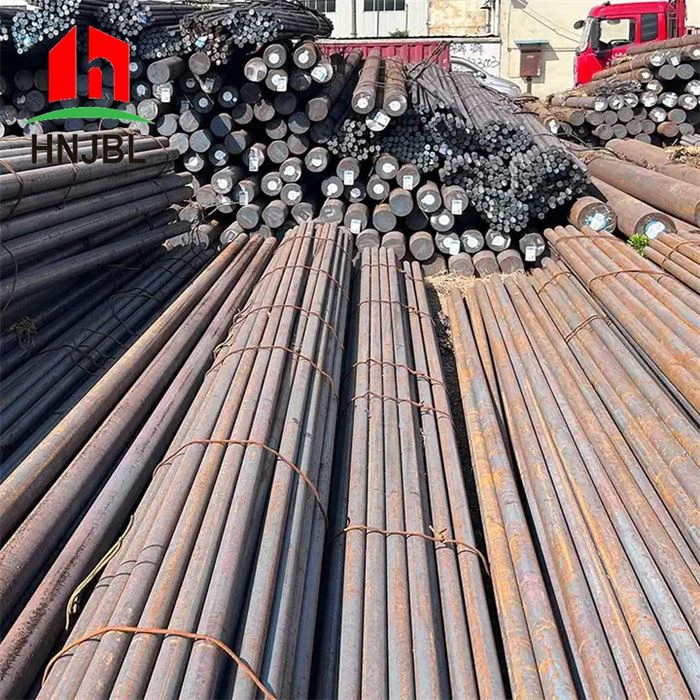
The heavyweight of chain steel also makes it difficult to handle and install. You need specialized equipment and a lot of manpower to move and position the steel. This can slow down the construction process and increase labor costs.
Moreover, in transportation, the weight of the chain steel means higher fuel consumption. Trucks and ships have to use more fuel to carry the heavy load, which is not only expensive but also bad for the environment.
4. Brittleness at Low Temperatures
At low temperatures, chain steel can become brittle. This means it's more likely to crack or break under stress. In cold climates or applications where the steel is exposed to low temperatures, like in refrigeration units or Arctic construction projects, this brittleness can be a serious issue.
The 40Mn Alloy Steel is no exception. Even though it has good strength and toughness under normal conditions, its performance can degrade significantly in cold weather. You have to be very careful when designing structures or using equipment made of chain steel in cold environments. You might need to use special grades of steel that are more resistant to low - temperature brittleness, but these are usually more expensive.
5. Difficult to Weld
Welding chain steel can be a challenge. The high carbon and alloy content in the steel can make it difficult to achieve a good weld. During the welding process, the heat can cause changes in the microstructure of the steel, leading to reduced strength and increased susceptibility to cracking.
You need highly skilled welders and specialized welding techniques to weld chain steel properly. This adds to the cost of fabrication. And even with the best welders and techniques, there's still a risk of weld defects, which can compromise the integrity of the structure.
6. Environmental Impact
The production of chain steel has a significant environmental impact. The steel industry is one of the largest consumers of energy and a major emitter of greenhouse gases. The process of mining the raw materials, melting them, and shaping the steel requires a lot of energy, most of which comes from fossil fuels.
The waste generated during the production process, such as slag and dust, can also be harmful to the environment if not properly managed. And as I mentioned earlier, the high weight of chain steel leads to increased fuel consumption in transportation, further contributing to environmental problems.
7. Limited Flexibility
Chain steel is not very flexible. Once it's formed into a certain shape, it's difficult to change it. This can be a problem in applications where you need the steel to adapt to different conditions or where there are design changes during the project.
For example, if you're building a structure and you realize you need to modify the shape of the chain steel components, it can be a real headache. You might have to cut and re - weld the steel, which is time - consuming and expensive.
Conclusion
So, there you have it. These are some of the main disadvantages of chain steel. But don't get me wrong, chain steel still has its place in many industries. It's strong, reliable, and has a lot of useful properties. The key is to be aware of its limitations and make an informed decision based on your specific needs.
If you're still interested in using chain steel for your project, I'm here to help. We can discuss your requirements and find the best solution for you. Whether you need Customized 20Mn Steel, Special Alloy Steel 20Mn, or 40Mn Alloy Steel, we've got you covered. Contact me to start the procurement process and let's see how we can work together to make your project a success.
References
- "Steel: Processing, Structure, and Performance" by George E. Totten and J. Paul Mackenzie.
- "Corrosion and Protection of Steel in Concrete" by Peter Schießl.
- "Welding Metallurgy" by John C. Lippold and David J. Kotecki.


