

Tool steel is a crucial material in various industries, from manufacturing to construction, due to its high hardness, wear resistance, and ability to withstand high temperatures. As a tool steel supplier, I've witnessed firsthand how the price of tool steel can fluctuate significantly. In this blog, I'll delve into the factors that affect the price of tool steel, providing insights for both industry professionals and those new to the world of tool steel.

1. Raw Material Costs
The primary factor influencing the price of tool steel is the cost of raw materials. Tool steel is an alloy composed mainly of iron, along with various other elements such as carbon, chromium, vanadium, molybdenum, and tungsten. The prices of these elements can vary widely based on global supply and demand dynamics.
- Carbon: Carbon is a fundamental element in tool steel, contributing to its hardness and strength. Higher carbon content generally results in harder and more wear - resistant tool steel. The price of carbon is affected by the production levels of coal and coke, which are used in the steel - making process. Fluctuations in the energy market can also impact carbon prices, as the production of these materials is energy - intensive.
- Alloying Elements: Elements like chromium, vanadium, molybdenum, and tungsten are added to tool steel to enhance its properties such as corrosion resistance, heat resistance, and toughness. These elements are often mined in specific regions around the world, and their supply can be affected by geopolitical issues, mining regulations, and environmental concerns. For example, tungsten is mainly mined in China, and any changes in Chinese mining policies can have a significant impact on the global tungsten market and, consequently, the price of tool steel containing tungsten.
2. Manufacturing Processes
The manufacturing process of tool steel is complex and can significantly affect its price.
- Melting and Refining: Tool steel is typically produced through electric arc furnaces or basic oxygen furnaces. The cost of electricity or the price of oxygen used in these processes can influence the overall production cost. Additionally, refining processes are necessary to remove impurities and ensure the desired chemical composition of the tool steel. Advanced refining techniques, such as vacuum degassing and ladle refining, can improve the quality of the tool steel but also increase the production cost.
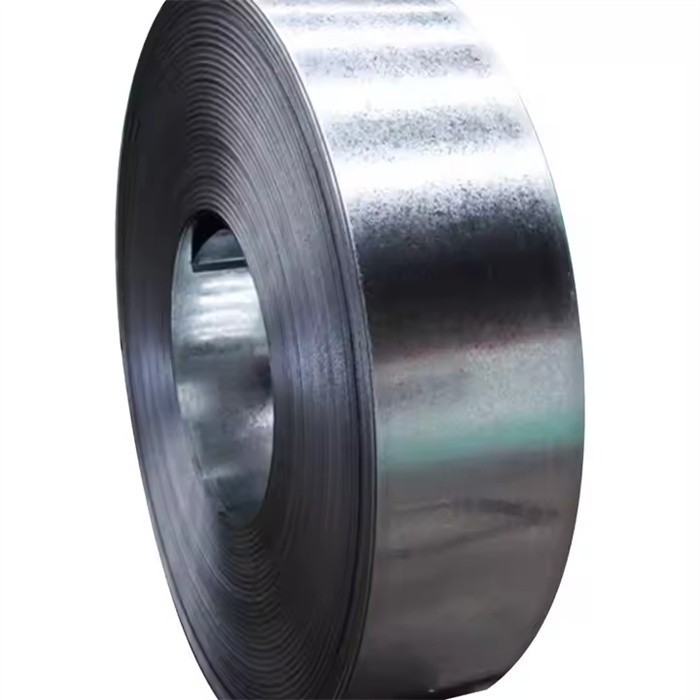
- Forging and Rolling: After melting and refining, the tool steel is forged and rolled into the desired shapes, such as bars, sheets, or strips. Forging is a labor - intensive process that requires skilled workers and specialized equipment. The cost of labor, as well as the maintenance and operation of forging and rolling mills, contribute to the final price of the tool steel. Moreover, the quality of the forging and rolling processes can affect the mechanical properties of the tool steel, and higher - quality products often come at a higher price.
3. Quality and Grade
The quality and grade of tool steel play a vital role in determining its price.
- Chemical Composition: Tool steel is available in different grades, each with a specific chemical composition. Higher - grade tool steels contain more precise amounts of alloying elements, which can enhance their performance in specific applications. For example, SK2 High Carbon Steel is a popular grade known for its high carbon content, which gives it excellent hardness and wear resistance. The production of such high - quality tool steels requires more strict quality control measures during the manufacturing process, resulting in a higher price.
- Mechanical Properties: The mechanical properties of tool steel, such as hardness, toughness, and heat resistance, are also important factors. Tool steels with superior mechanical properties are often used in demanding applications, such as cutting tools, dies, and molds. These high - performance tool steels require advanced manufacturing techniques and more expensive raw materials, leading to a higher price. For instance, Sk2 High Carbon Tool Steel is designed to meet the high - performance requirements of various industrial applications, and its price reflects its superior mechanical properties.
4. Market Demand and Supply
The basic economic principle of supply and demand has a significant impact on the price of tool steel.
- Industry Demand: The demand for tool steel is closely related to the performance of industries such as automotive, aerospace, and manufacturing. When these industries are booming, the demand for tool steel increases, which can drive up the price. For example, the growth of the automotive industry in emerging economies has led to an increased demand for tool steel used in the production of automotive parts, such as engine components and transmission gears.
- Supply Constraints: On the supply side, factors such as production capacity, labor shortages, and natural disasters can limit the supply of tool steel. For example, a strike at a major tool steel manufacturing plant can disrupt the supply chain and cause a temporary shortage of tool steel in the market, leading to an increase in price. Additionally, the lead time for producing tool steel can be relatively long, especially for custom - made products, which can also affect the supply and price.
5. Geographical Location
The geographical location of the tool steel supplier can also influence the price.

- Transportation Costs: Shipping tool steel from the manufacturing plant to the customer can incur significant costs, especially for long - distance transportation. Suppliers located closer to the customer can often offer more competitive prices due to lower transportation costs. Additionally, the availability of transportation infrastructure, such as ports and railways, can also affect the transportation cost.
- Regional Market Conditions: Different regions may have different market conditions, including local demand, competition, and regulatory environment. For example, in some regions, there may be a higher demand for a specific grade of tool steel, which can drive up the price in that area. Moreover, local regulations regarding environmental protection and labor can also impact the production cost and, consequently, the price of tool steel.
6. Customization and Special Requirements
Customers often have specific requirements for tool steel, such as custom shapes, sizes, and surface finishes. Meeting these customization requirements can increase the price of tool steel.

- Custom Shapes and Sizes: Producing tool steel in custom shapes and sizes requires additional processing steps, such as machining and cutting. These processes are time - consuming and may require specialized equipment, which can increase the production cost. For example, producing SK2 Carbon Tool Steels Strip in a custom width or thickness may require adjustments to the rolling process, resulting in a higher price.
- Surface Finishes: Some applications require tool steel with specific surface finishes, such as polished or coated surfaces. Applying these surface finishes adds an extra step to the manufacturing process and may involve the use of additional materials, increasing the overall cost.
In conclusion, the price of tool steel is affected by a multitude of factors, including raw material costs, manufacturing processes, quality and grade, market demand and supply, geographical location, and customization requirements. As a tool steel supplier, I understand the importance of providing high - quality products at competitive prices. We strive to optimize our production processes, source raw materials efficiently, and offer a wide range of tool steel grades to meet the diverse needs of our customers.
If you're in the market for tool steel and want to discuss your specific requirements, I encourage you to reach out to us. We're here to provide you with the best solutions and help you make informed decisions about your tool steel purchases. Whether you need a standard grade or a custom - made product, we have the expertise and resources to meet your needs.
References
- ASM Handbook Volume 1: Properties and Selection: Irons, Steels, and High - Performance Alloys. ASM International.
- Fundamentals of Steelmaking. The Making, Shaping and Treating of Steel. United States Steel Corporation.
- Tool Steel Selection Guide. Carpenter Technology Corporation.


