What are the impact toughness requirements for high strength steel plate?
As a supplier of high strength steel plates, I've witnessed firsthand the critical role that impact toughness plays in the performance and safety of these materials. High strength steel plates are widely used in various industries, including construction, automotive, and heavy machinery, where they are often subjected to dynamic loading and impact forces. In this blog post, I'll delve into the impact toughness requirements for high strength steel plates, exploring why they matter and how they are determined.

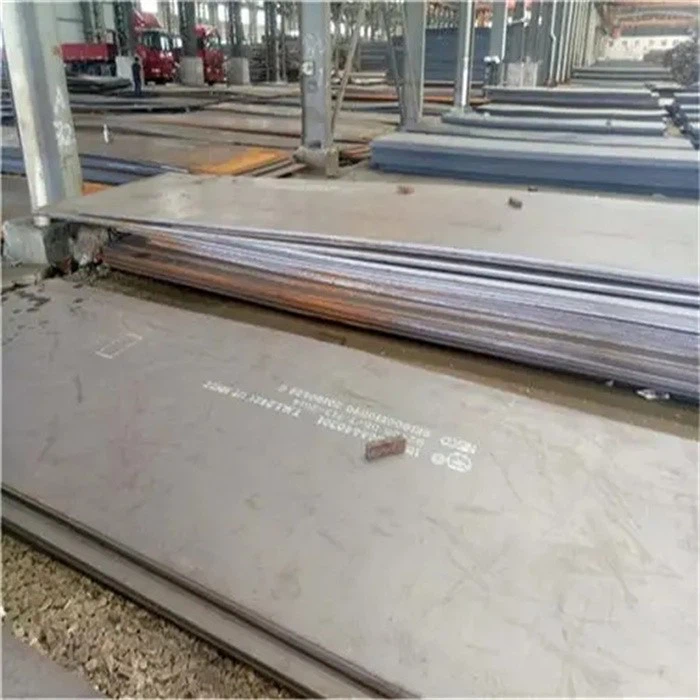
Understanding Impact Toughness
Impact toughness is a measure of a material's ability to absorb energy and deform plastically before fracturing under impact loading. It is a crucial property for high strength steel plates, as they are frequently exposed to sudden and intense forces in real-world applications. A steel plate with high impact toughness can withstand these forces without catastrophic failure, ensuring the structural integrity and safety of the components or structures it is used in.
There are several factors that can affect the impact toughness of high strength steel plates, including the chemical composition, microstructure, and manufacturing process. For example, the presence of certain alloying elements, such as nickel and manganese, can improve the impact toughness by enhancing the steel's ability to absorb energy. The microstructure of the steel, including the grain size and phase distribution, also plays a significant role in determining its impact toughness. Fine-grained microstructures generally exhibit better impact toughness than coarse-grained ones.
Impact Toughness Requirements in Different Industries
The impact toughness requirements for high strength steel plates vary depending on the specific application and industry standards. In the construction industry, for instance, high strength steel plates are commonly used in the fabrication of bridges, buildings, and offshore structures. These structures are often subjected to dynamic loads, such as wind, earthquake, and traffic vibrations, which require the steel plates to have high impact toughness to ensure their safety and durability.
In the automotive industry, high strength steel plates are used in the manufacturing of vehicle components, such as chassis, body frames, and safety systems. These components need to be able to withstand high impact forces in the event of a collision, which requires the steel plates to have excellent impact toughness. The automotive industry has strict standards and regulations regarding the impact toughness of steel plates used in vehicle manufacturing to ensure the safety of passengers.
In the heavy machinery industry, high strength steel plates are used in the construction of equipment, such as cranes, excavators, and mining machinery. These machines are often operated in harsh environments and are subjected to heavy loads and impact forces, which require the steel plates to have high impact toughness to prevent premature failure and ensure reliable operation.
Testing Methods for Impact Toughness
To ensure that high strength steel plates meet the required impact toughness standards, various testing methods are used. One of the most common testing methods is the Charpy V-notch test, which involves striking a notched specimen of the steel plate with a pendulum hammer and measuring the energy absorbed during fracture. The energy absorbed is a measure of the impact toughness of the steel plate.
Another testing method is the Izod impact test, which is similar to the Charpy V-notch test but uses a different specimen geometry. The Izod impact test is less commonly used than the Charpy V-notch test but can provide useful information about the impact toughness of the steel plate.
In addition to these standard testing methods, other advanced testing techniques, such as instrumented impact testing and fracture mechanics testing, may also be used to evaluate the impact toughness of high strength steel plates. These techniques can provide more detailed information about the fracture behavior and energy absorption characteristics of the steel plate.
Meeting the Impact Toughness Requirements
As a supplier of high strength steel plates, we are committed to providing our customers with products that meet or exceed the required impact toughness standards. We carefully select the raw materials and use advanced manufacturing processes to ensure the quality and consistency of our steel plates. Our manufacturing process includes strict quality control measures to ensure that the steel plates have the desired chemical composition, microstructure, and mechanical properties.
We also conduct comprehensive testing on our high strength steel plates to ensure that they meet the required impact toughness standards. Our testing facilities are equipped with state-of-the-art equipment and staffed by experienced technicians who are trained to perform accurate and reliable tests. We provide our customers with detailed test reports and certificates to demonstrate the compliance of our steel plates with the relevant industry standards.
In addition to meeting the standard impact toughness requirements, we can also customize our high strength steel plates to meet the specific needs of our customers. For example, we can adjust the chemical composition and manufacturing process to optimize the impact toughness of the steel plates for a particular application. We work closely with our customers to understand their requirements and provide them with the best solutions for their projects.
Importance of Choosing the Right Supplier
When it comes to purchasing high strength steel plates, choosing the right supplier is crucial. A reliable and experienced supplier will not only provide you with high-quality products that meet the required impact toughness standards but also offer excellent customer service and technical support.
As a supplier of high strength steel plates, we have a proven track record of delivering high-quality products to our customers. We have a team of experts who are knowledgeable about the properties and applications of high strength steel plates and can provide you with professional advice and guidance. We also have a wide range of high strength steel plates available, including High Strength Constructional Steel DIN EN 10025-6, High Strength Steel Sheet S460ml, and EN 10025-6 High Strength Steel Plates S890Q, which can meet the diverse needs of different industries.
Conclusion
In conclusion, the impact toughness requirements for high strength steel plates are of utmost importance in ensuring the safety and performance of the components and structures they are used in. Different industries have different impact toughness requirements, and various testing methods are used to ensure that the steel plates meet these requirements. As a supplier of high strength steel plates, we are dedicated to providing our customers with high-quality products that meet or exceed the required impact toughness standards.
If you are in the market for high strength steel plates and have specific impact toughness requirements, we invite you to contact us for a detailed discussion and to explore how we can meet your needs. Our team of experts is ready to assist you in finding the right high strength steel plates for your application.
References
- ASME Boiler and Pressure Vessel Code
- ASTM International Standards
- ISO International Standards
- EN European Standards