

As a supplier of Bimetal Steel Strip, I've seen firsthand the growing demand for this versatile material in various industries. But one question that often comes up is: What is the cost of bimetal steel strip? In this blog post, I'll delve into the factors that influence the cost of bimetal steel strip and provide some insights to help you understand the pricing better.
Understanding Bimetal Steel Strip
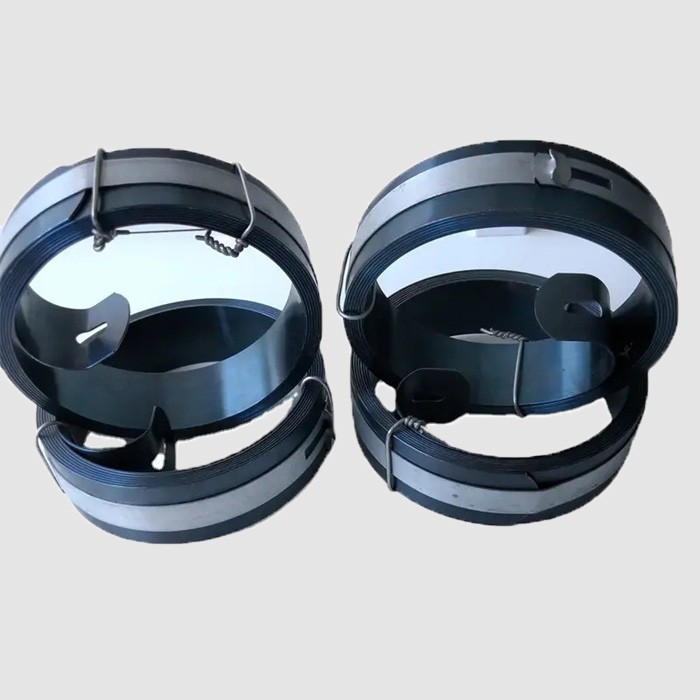
Before we discuss the cost, let's briefly understand what bimetal steel strip is. Bimetal steel strip is a composite material made by bonding two different types of steel together. This combination allows the strip to possess the unique properties of both steels, such as high strength, wear resistance, and heat resistance. It is commonly used in applications like Gang Saw Blades Steel, where the ability to cut through tough materials is crucial.

Factors Affecting the Cost of Bimetal Steel Strip
1. Raw Material Costs
The cost of the raw materials used to make bimetal steel strip is a significant factor in determining its price. The two types of steel used in the bimetal strip have different compositions and properties, and their prices can fluctuate based on market conditions. For example, if the price of high - quality alloy steel, which is often used in one of the layers of the bimetal strip, increases due to a shortage of certain elements or increased demand, the cost of the bimetal steel strip will also go up.
2. Manufacturing Process
The manufacturing process of bimetal steel strip is complex and requires specialized equipment and expertise. The process involves bonding the two different types of steel together, which can be done through methods such as roll bonding or explosion bonding. Each method has its own cost implications. Roll bonding, for instance, may require precise control of temperature, pressure, and rolling speed, which can add to the production cost. Additionally, the quality control measures in place during the manufacturing process to ensure the integrity of the bond and the overall quality of the strip also contribute to the cost.
3. Thickness and Width
The thickness and width of the bimetal steel strip also affect its cost. Thicker and wider strips generally require more raw material and may be more difficult to manufacture. For example, producing a wider bimetal steel strip may require larger rolling mills and more precise control to ensure uniform bonding across the width. As a result, wider and thicker strips are usually more expensive than thinner and narrower ones.
4. Quantity Ordered
Economies of scale play a role in the cost of bimetal steel strip. When a customer orders a large quantity of bimetal steel strip, the per - unit cost is often lower. This is because the fixed costs associated with production, such as setup costs and equipment maintenance, can be spread over a larger number of units. On the other hand, small - quantity orders may have a higher per - unit cost due to the relatively higher proportion of fixed costs.
5. Quality and Grade
The quality and grade of the bimetal steel strip are important factors in determining its price. Higher - quality bimetal strips, which have better bonding strength, more consistent properties, and fewer defects, are more expensive. For example, a bimetal steel strip with a high - precision bond and excellent wear resistance, suitable for high - end applications like X32 Carbon Steel Strip, will command a higher price compared to a lower - grade strip with less stringent quality requirements.
Pricing Examples
To give you a better idea of the cost range, here are some general pricing examples. For a standard - grade bimetal steel strip with a thickness of 1 - 2 mm and a width of 50 - 100 mm, the price per kilogram can range from $5 to $15, depending on the factors mentioned above. However, for high - performance bimetal steel strips used in specialized applications, the price per kilogram can be as high as $20 or more.
It's important to note that these are just rough estimates, and the actual price can vary significantly based on market conditions, the specific requirements of the customer, and the supplier's pricing strategy.
Cost - Benefit Analysis
When considering the cost of bimetal steel strip, it's essential to conduct a cost - benefit analysis. While bimetal steel strip may be more expensive than some other materials, its unique properties can provide significant benefits in the long run. For example, in applications where high wear resistance is required, using bimetal steel strip can reduce the frequency of replacement, leading to lower overall maintenance costs and increased productivity.
How to Get the Best Price
If you're in the market for bimetal steel strip, here are some tips to help you get the best price:
- Compare Quotes: Reach out to multiple suppliers and request quotes. This will allow you to compare prices and services and choose the supplier that offers the best value for your money.
- Negotiate Quantity: If you have a large - scale project, negotiate the price based on the quantity you need. Many suppliers are willing to offer discounts for bulk orders.
- Specify Your Requirements Clearly: Provide detailed specifications for the bimetal steel strip, including the required thickness, width, quality, and any special properties. This will help the supplier provide an accurate quote and avoid any misunderstandings.
Contact Us for Purchase and Negotiation
If you're interested in purchasing bimetal steel strip, I encourage you to reach out to us. As a professional Bimetal Steel Strip supplier, we have a wide range of products to meet your needs. Our team of experts can work with you to understand your specific requirements and provide you with a competitive price. Whether you need a small quantity for a prototype or a large - scale order for a production project, we're here to assist you.
References
- "Steel Handbook: Properties and Selection of Ferrous Metals", ASM International
- "Manufacturing Processes for Engineering Materials", S. Kalpakjian and S. R. Schmid


