

Pitting corrosion is a form of localized corrosion that can cause significant damage to stainless steel sheets. As a stainless steel sheet supplier, understanding the resistance of these materials to pitting corrosion is crucial for providing high - quality products to our customers. In this blog, we will delve into the factors affecting the pitting corrosion resistance of stainless steel sheets and explore how we can ensure our products meet the highest standards.
What is Pitting Corrosion?
Pitting corrosion occurs when small holes or pits form on the surface of a metal. This type of corrosion is particularly dangerous because it can progress rapidly, even in environments where general corrosion is minimal. The pits can penetrate deep into the metal, weakening the structure and potentially leading to failure.
Pitting corrosion is often initiated by the presence of chloride ions, which are commonly found in seawater, de - icing salts, and some industrial environments. Chloride ions can break down the passive oxide layer that forms on the surface of stainless steel, exposing the underlying metal to further attack. Once a pit is formed, it can act as a cathode, accelerating the corrosion process.
Factors Affecting Pitting Corrosion Resistance
Alloy Composition
The composition of stainless steel plays a vital role in its resistance to pitting corrosion. Stainless steels are typically classified by their alloying elements, with the most common grades being 304 and 316.
AISI 304 stainless steel is a widely used grade that contains approximately 18% chromium and 8% nickel. Chromium is essential for forming the passive oxide layer that protects the steel from corrosion. However, in environments with high chloride concentrations, AISI 304 may be susceptible to pitting corrosion. You can find more information about Aisi 304 Sheet Metal on our website.
On the other hand, 316 stainless steel contains an additional 2 - 3% molybdenum. Molybdenum enhances the pitting corrosion resistance of stainless steel by improving the stability of the passive oxide layer. This makes 316 stainless steel more suitable for use in harsh environments, such as marine applications. For details on 316 Stainless Steel Plates, please visit our product page.
Surface Finish
The surface finish of stainless steel sheets can also influence their pitting corrosion resistance. A smooth, polished surface is less likely to trap chloride ions and other contaminants, reducing the risk of pitting corrosion. For example, our SS Sheet 8K Golden Mirror Finish 316 has a highly reflective and smooth surface, which not only provides an aesthetically pleasing appearance but also offers better corrosion resistance.
Environmental Conditions
The environment in which stainless steel sheets are used has a significant impact on their pitting corrosion resistance. Factors such as temperature, pH, and the concentration of chloride ions can all affect the rate of pitting corrosion.
In general, higher temperatures and lower pH values can accelerate the corrosion process. Additionally, the presence of other contaminants, such as sulfur compounds or heavy metals, can also increase the risk of pitting corrosion. Therefore, it is important to select the appropriate grade of stainless steel based on the specific environmental conditions.
Testing Pitting Corrosion Resistance
To ensure the quality of our stainless steel sheets, we conduct various tests to evaluate their pitting corrosion resistance. One of the most common tests is the ASTM G48 test, which involves immersing the test specimens in a ferric chloride solution. The specimens are then examined for the presence of pits after a specified period of time.
Another test method is the electrochemical potentiodynamic polarization test. This test measures the corrosion potential and current density of the stainless steel, providing information about its resistance to pitting corrosion. By conducting these tests, we can accurately assess the performance of our products and ensure that they meet the required standards.
Improving Pitting Corrosion Resistance
As a stainless steel sheet supplier, we take several measures to improve the pitting corrosion resistance of our products.

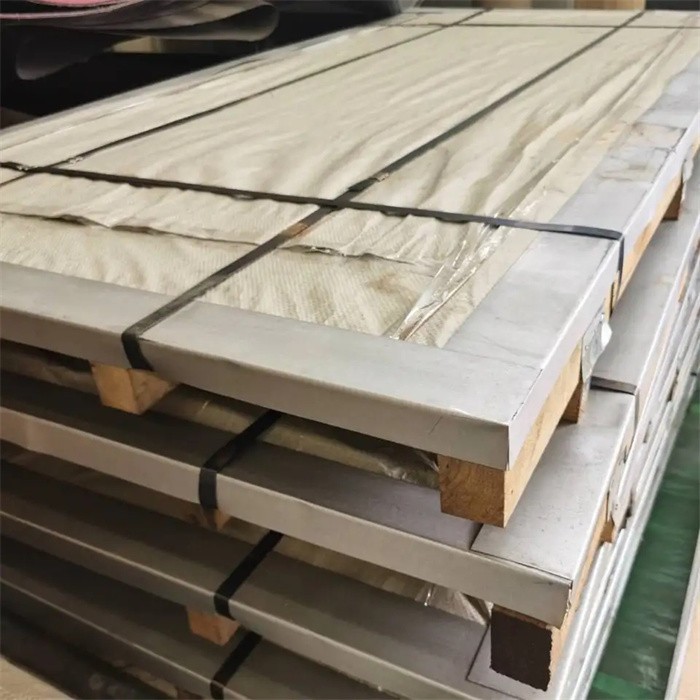
Material Selection
We carefully select the raw materials for our stainless steel sheets, ensuring that they have the appropriate alloy composition. By using high - quality materials, we can enhance the pitting corrosion resistance of our products.
Surface Treatment
In addition to selecting the right alloy, we also perform surface treatments on our stainless steel sheets. These treatments can include passivation, which involves removing any free iron from the surface of the steel and enhancing the passive oxide layer. We also offer different surface finishes, such as mirror finishes and brushed finishes, to meet the specific needs of our customers.
Quality Control
We have a strict quality control system in place to ensure that every stainless steel sheet we produce meets the highest standards. Our quality control team conducts regular inspections and tests throughout the manufacturing process, from raw material inspection to final product testing. This helps us to identify and address any potential issues before the products are shipped to our customers.
Applications of Stainless Steel Sheets with High Pitting Corrosion Resistance
Stainless steel sheets with high pitting corrosion resistance are widely used in various industries.
Marine Industry
In the marine industry, stainless steel sheets are used for shipbuilding, offshore platforms, and desalination plants. The high chloride content in seawater makes pitting corrosion a significant concern, so 316 stainless steel is often the material of choice.
Food and Beverage Industry
In the food and beverage industry, stainless steel sheets are used for equipment such as storage tanks, processing equipment, and conveyor belts. The hygienic properties of stainless steel, combined with its resistance to pitting corrosion, make it an ideal material for these applications.
Chemical Industry
In the chemical industry, stainless steel sheets are used in chemical processing plants, where they are exposed to a variety of corrosive chemicals. The ability of stainless steel to resist pitting corrosion is essential for ensuring the safety and reliability of these facilities.
Conclusion
Pitting corrosion is a serious issue that can affect the performance and lifespan of stainless steel sheets. As a stainless steel sheet supplier, we are committed to providing our customers with high - quality products that have excellent resistance to pitting corrosion. By understanding the factors that affect pitting corrosion resistance, conducting rigorous testing, and implementing appropriate measures to improve performance, we can ensure that our stainless steel sheets meet the diverse needs of our customers.
If you are interested in purchasing stainless steel sheets with high pitting corrosion resistance, please feel free to contact us. Our experienced sales team will be happy to assist you in selecting the right product for your specific application. We look forward to working with you and providing you with the best stainless steel solutions.
References
- ASTM International. (2019). ASTM G48 - 19: Standard Test Methods for Pitting and Crevice Corrosion Resistance of Stainless Steels and Related Alloys by Use of Ferric Chloride Solution.
- Uhlig, H. H., & Revie, R. W. (2011). Corrosion and Corrosion Control: An Introduction to Corrosion Science and Engineering. Wiley - Blackwell.


