Hey there! As a supplier of Carbon Tool Steel SK2, I often get asked about the surface finish of machined SK2 steel. In this blog, I'm gonna break down what the surface finish of machined Carbon Tool Steel SK2 is, why it matters, and how it impacts your projects.
First off, let's understand what Carbon Tool Steel SK2 is. SK2 is a high - carbon tool steel specified under the JIS (Japanese Industrial Standards). It's known for its excellent hardness, wear resistance, and the ability to hold a sharp edge. You can check out more about it on this page: Carbon Tool Steel JIS Sk2.
When we talk about the surface finish of machined SK2, we're referring to the texture and quality of the steel's surface after it has gone through machining processes like turning, milling, grinding, or drilling. The surface finish is usually described in terms of roughness, waviness, and lay.
Roughness is the most commonly used parameter to define surface finish. It measures the microscopic peaks and valleys on the surface of the steel. A smoother surface will have lower roughness values, while a rougher surface will have higher ones. For machined SK2, the roughness can vary depending on the machining method and the specific requirements of the application. For example, if the SK2 steel is being used for a cutting tool where a sharp edge is crucial, a very smooth surface finish with low roughness is preferred. On the other hand, if it's used in a situation where some grip or friction is needed, a slightly rougher surface might be acceptable.
Waviness is another aspect of surface finish. It refers to the more long - wavelength irregularities on the surface. Waviness can affect the fit and function of components made from SK2 steel. For instance, if two SK2 parts need to be mated together precisely, excessive waviness can cause problems with alignment and sealing.
Lay describes the direction of the predominant surface pattern. It's determined by the machining process. For example, in turning operations, the lay will be in a circular pattern around the axis of the workpiece. The lay can impact the performance of the SK2 steel in different applications. If the lay is not in the right direction, it can lead to increased wear or reduced performance.
Now, why does the surface finish of machined SK2 matter? Well, it has a significant impact on several aspects of the steel's performance.
One of the main reasons is wear resistance. A smooth surface finish reduces the contact area between the SK2 steel and other materials it comes into contact with. This, in turn, reduces friction and wear. For cutting tools made from SK2, a smooth surface finish can help the tool maintain its sharpness for a longer time, resulting in better cutting performance and longer tool life.
Corrosion resistance is also affected by the surface finish. A rough surface has more crevices and pits where moisture and corrosive substances can accumulate. This can lead to the formation of rust and corrosion over time. By having a smooth surface finish, we can minimize the risk of corrosion and extend the lifespan of the SK2 steel components.
In addition, the surface finish can influence the aesthetic appearance of the SK2 steel products. For applications where the appearance of the part matters, such as in consumer products or decorative items, a high - quality surface finish can enhance the overall look and feel of the product.
So, how do we achieve the desired surface finish for machined SK2? There are several factors to consider.
The machining process itself plays a crucial role. Different machining methods will result in different surface finishes. For example, grinding generally produces a smoother surface finish compared to turning. The cutting parameters, such as cutting speed, feed rate, and depth of cut, also have a significant impact on the surface finish. By optimizing these parameters, we can achieve the desired roughness and waviness.
The choice of cutting tools is also important. High - quality cutting tools with sharp edges and appropriate geometries can help produce a better surface finish. Additionally, the use of cutting fluids during machining can improve the surface finish by reducing friction and heat generation.
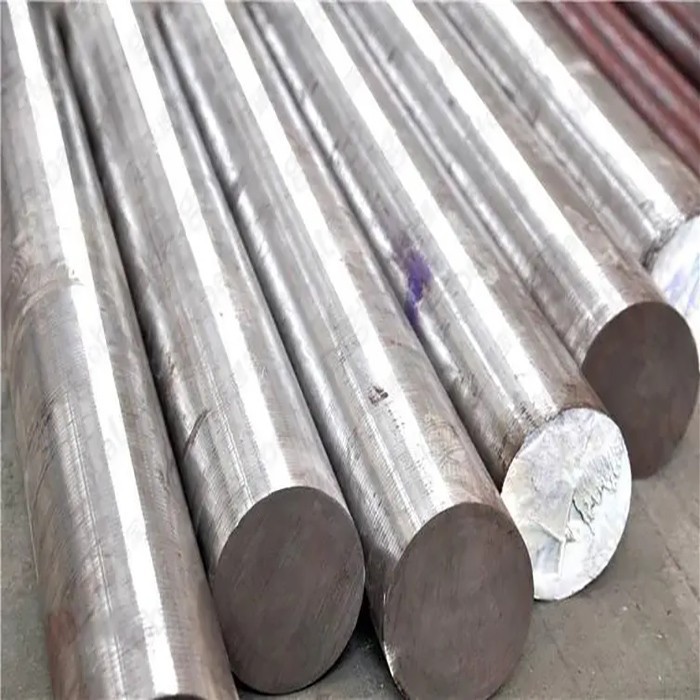
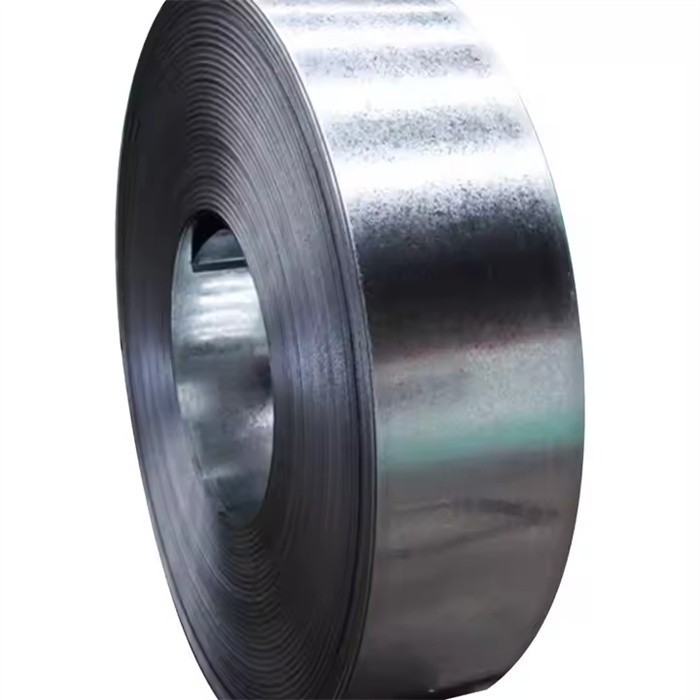
As a supplier of SK2 Carbon Tool Steels Strip and SK2 Carbon Tool Steel, we understand the importance of providing SK2 steel with the right surface finish for our customers. We have a team of experienced technicians and state - of - the - art machining equipment to ensure that the SK2 steel we supply meets the highest quality standards in terms of surface finish.
Whether you're in the manufacturing of cutting tools, molds, or other industrial components, getting the right surface finish on your SK2 steel is essential for the success of your projects. If you're interested in purchasing SK2 steel for your specific application, we're here to help. We can work with you to understand your requirements and provide you with the best - suited SK2 steel products with the appropriate surface finish.
Don't hesitate to reach out to us for more information or to start a procurement discussion. We're committed to providing you with top - notch products and excellent customer service.
References
- ASM Handbook, Volume 8: Mechanical Testing and Evaluation
- Manufacturing Engineering and Technology by Serope Kalpakjian and Steven R. Schmid