

Hey there! As a supplier of 304 stainless steel pipes, I often get asked about the wall thickness of these pipes. So, I thought I'd write this blog to share some insights on this topic.
First off, let's talk about why wall thickness matters. The wall thickness of a 304 stainless steel pipe is a crucial factor that affects its performance and suitability for different applications. A thicker wall generally means the pipe can withstand higher pressures and is more durable. On the other hand, a thinner wall might be more cost - effective and suitable for applications where high pressure isn't a concern.
So, what are the common wall thicknesses for 304 stainless steel pipes? Well, there are several standard wall thicknesses available in the market. These standards are usually defined by industry organizations, and they ensure that the pipes meet certain quality and performance criteria.
One of the most common ways to specify wall thickness is through pipe schedules. For 304 stainless steel pipes, you'll often hear about Schedule 10, Schedule 40, and Schedule 80.
Let's start with 304 Stainless Steel Schedule 10 Pipe. This type of pipe has a relatively thin wall. It's typically used in applications where the pressure is low, like in some plumbing systems or in situations where weight is a concern. For instance, if you're using the pipe for a decorative purpose or in a low - pressure water supply line, Schedule 10 might be a good choice. The wall thickness of Schedule 10 pipes varies depending on the pipe diameter. Generally, for smaller diameters, the wall thickness is around 0.109 inches, and it increases slightly as the diameter gets larger.
Schedule 40 is another popular option. It has a thicker wall compared to Schedule 10. This makes it suitable for a wider range of applications, including medium - pressure systems. You'll often find Schedule 40 304 stainless steel pipes in industrial settings, such as chemical processing plants or in some building plumbing systems where the water pressure is a bit higher. The wall thickness of Schedule 40 pipes is thicker than Schedule 10. For example, for a 1 - inch diameter pipe, the wall thickness of Schedule 40 is about 0.133 inches.
Then there's Schedule 80. This is the thickest of the three common schedules. It's designed for high - pressure applications. If you're dealing with high - pressure steam systems or in industries where the pipe needs to withstand extreme forces, Schedule 80 is the way to go. The wall thickness of Schedule 80 pipes is significantly thicker than the other two schedules. For a 1 - inch diameter pipe, the wall thickness of Schedule 80 is around 0.179 inches.
But it's not just about these standard schedules. Sometimes, customers might need a custom wall thickness. This could be because of specific project requirements, such as a unique pressure rating or a particular space constraint. In such cases, we can work with our customers to produce 304 stainless steel pipes with the exact wall thickness they need.
When it comes to choosing the right wall thickness, there are a few things to consider. First, you need to think about the pressure the pipe will be subjected to. If the pressure is high, you'll definitely want a thicker wall. Second, cost is also a factor. Thicker - walled pipes usually cost more because they require more material. So, you need to balance your budget with the performance requirements.
Another aspect is the type of fluid or gas that will be flowing through the pipe. If it's a corrosive substance, a thicker wall might provide better protection against corrosion over time. Also, the environment where the pipe will be installed matters. If it's in an area with high mechanical stress or where the pipe might be exposed to physical damage, a thicker wall can offer more durability.
Now, let's talk about the relationship between wall thickness and other properties of 304 stainless steel pipes. The wall thickness can affect the pipe's strength, weight, and even its thermal conductivity. A thicker - walled pipe is generally stronger and heavier. This can be an advantage in some applications, but it might also be a drawback if weight is a concern.

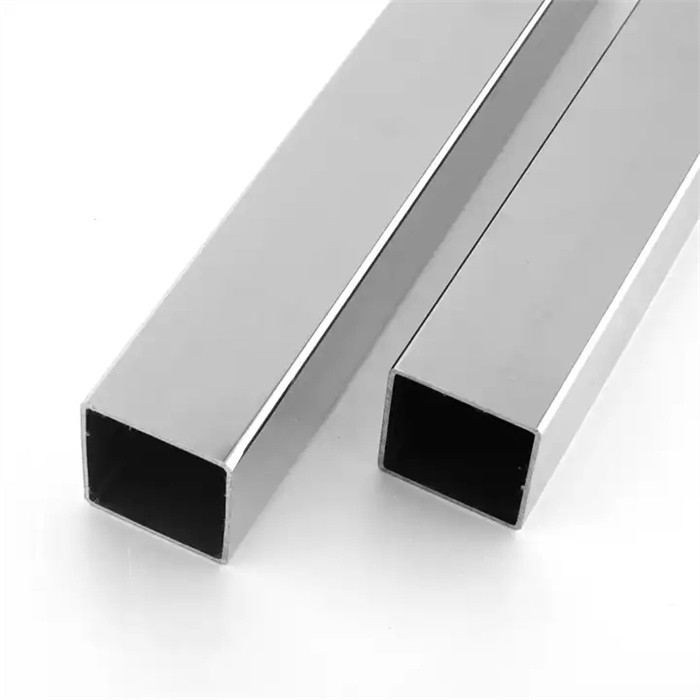
In terms of thermal conductivity, a thicker wall can act as a better insulator. So, if you're using the pipe in a system where temperature control is important, the wall thickness can play a role in how well the pipe retains or transfers heat.
If you're in the market for 304 stainless steel pipes and you're still not sure about the right wall thickness for your project, don't hesitate to reach out. We have a team of experts who can help you make the right choice based on your specific needs.
By the way, if you're also interested in other types of stainless steel pipes, you might want to check out the Stainless Steel 316 Pipe Price Per kg. 316 stainless steel has different properties compared to 304, and it might be a better fit for certain applications, especially those involving more corrosive environments.
And if you're looking for a different shape of 304 stainless steel pipes, we also offer Ss 304 Rectangular Pipe. Rectangular pipes can be used in various structural and architectural applications.
Whether you're in the construction industry, the manufacturing sector, or any other field that requires stainless steel pipes, we're here to provide you with high - quality products. Our 304 stainless steel pipes are made from top - grade materials and are manufactured to meet the highest standards.
If you're ready to start your project or if you just want to get more information about our products, feel free to contact us. We'll be happy to discuss your requirements and provide you with a quote. Our goal is to make sure you get the right 304 stainless steel pipes with the perfect wall thickness for your needs.
In conclusion, the wall thickness of 304 stainless steel pipes is an important consideration that can impact the performance, cost, and suitability of the pipe for your application. By understanding the different standard schedules and considering your specific requirements, you can make an informed decision. And if you need any help along the way, we're just a message or a call away.
References
- ASME B36.19M - Standard for Stainless Steel Pipe Dimensions
- ASTM A312 - Standard Specification for Seamless, Welded, and Heavily Cold Worked Austenitic Stainless Steel Pipes


