

Hey there! As a supplier of Carbon Tool Steel SK2, I've seen firsthand how different conditions can affect its properties. One factor that often gets overlooked is low temperature. In this blog, I'll break down how cold temperatures can change the characteristics of SK2 and why it matters for your projects.
First off, let's talk a bit about what SK2 is. SK2 is a high - carbon tool steel known for its excellent hardness and wear resistance. It's commonly used in the manufacturing of tools like knives, punches, and dies. You can learn more about it here.
1. Hardness Changes at Low Temperatures
When the temperature drops, SK2 steel tends to get even harder. This might sound like a good thing at first, but it can have both positive and negative impacts.
On the plus side, increased hardness can mean better wear resistance. If you're using SK2 tools in a cold environment, they'll be able to withstand more abrasion and keep their cutting edges sharper for longer. For example, in industries like cold forging or ice - cutting, where tools are constantly in contact with hard surfaces, the extra hardness from low temperatures can be a real advantage.
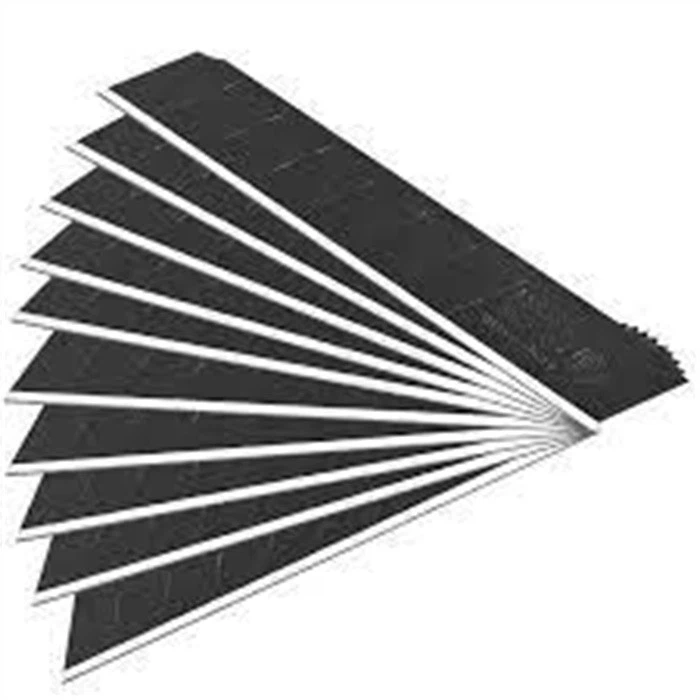

However, there's a downside. As the steel gets harder, it also becomes more brittle. This means that it's more likely to crack or break under stress. Imagine using a SK2 punch in a cold - climate factory. If the punch is struck with too much force, the increased brittleness due to low temperature could cause it to shatter. So, while the hardness increase can be beneficial in some cases, it's important to be aware of the risk of brittleness.
2. Impact on Ductility
Ductility is the ability of a material to deform under tensile stress without breaking. At low temperatures, the ductility of SK2 steel decreases significantly.
In normal conditions, SK2 has a certain amount of ductility that allows it to bend or stretch slightly before failing. But when it's cold, this ability is severely limited. For instance, if you're trying to shape SK2 into a complex form in a cold workshop, you'll find that it's much more difficult to do so without causing cracks. This reduction in ductility can also affect the performance of SK2 in applications where it needs to undergo some degree of deformation, such as in the manufacturing of springs or wire forms.
3. Thermal Expansion and Contraction
Another important aspect to consider is thermal expansion and contraction. When SK2 is exposed to low temperatures, it contracts. This contraction can cause internal stresses within the steel.
If these stresses are not managed properly, they can lead to warping or distortion of the material. For example, if a SK2 die is cooled too quickly, the uneven contraction can cause it to become misshapen. This is a big problem because in precision manufacturing, even a small amount of distortion can render a tool useless.
On the other hand, when the temperature starts to rise again, the steel will expand. This repeated cycle of expansion and contraction can also weaken the material over time. It's like bending a paperclip back and forth; eventually, it will break.
4. Fatigue Resistance
Low temperatures can also have an impact on the fatigue resistance of SK2. Fatigue occurs when a material is subjected to repeated loading and unloading.
In cold conditions, the fatigue life of SK2 steel is generally reduced. The brittleness caused by low temperatures makes it more susceptible to the formation and propagation of cracks under cyclic loading. For example, in a machine where a SK2 component is constantly moving back and forth, the low - temperature environment can cause the component to fail prematurely due to fatigue.
How to Mitigate the Effects of Low Temperature
So, what can you do to deal with these low - temperature effects?
Heat Treatment
One option is to use heat treatment. By carefully heating and cooling the SK2 steel, you can optimize its properties for low - temperature use. For example, a process called tempering can reduce the brittleness while still maintaining a good level of hardness.
Insulation
Another approach is to insulate the SK2 components. This can help to keep them at a more stable temperature and reduce the impact of the cold environment. In some cases, you can use insulation materials to wrap around the tools or equipment made from SK2.
Design Considerations
When designing products made from SK2 for low - temperature applications, it's important to take into account the changes in properties. For example, you might need to use thicker cross - sections to compensate for the reduced ductility and increased brittleness.
Conclusion
As you can see, low temperature can have a significant impact on the properties of Carbon Tool Steel SK2. While there are some potential benefits, such as increased hardness and wear resistance, there are also many challenges, including brittleness, reduced ductility, thermal stresses, and decreased fatigue resistance.
If you're in the market for SK2 or other related products like SK4 Carbon Tool Steel, it's crucial to understand these effects and take appropriate measures to ensure the best performance of your tools and components.
As a supplier of Carbon Tool Steels SK2, I'm here to help you navigate these challenges. Whether you need advice on heat treatment, design considerations, or just want to learn more about SK2, feel free to reach out. I'm always happy to have a chat and discuss how we can work together to meet your specific needs. If you're interested in purchasing SK2 or have any questions about our products, don't hesitate to get in touch. Let's start a conversation and see how we can make your projects a success!
References
- ASM Handbook Volume 1: Properties and Selection: Irons, Steels, and High - Performance Alloys
- Tool and Die Materials: Properties and Applications by David A. Swanson


