

Hey there! As a tool steel supplier, I often get asked about the coating process for tool steel. It's a crucial topic, especially for those in the manufacturing and machining industries. So, let's dive right in and explore what the coating process for tool steel is all about.
Why Coating Tool Steel?
First off, you might be wondering why we even bother coating tool steel. Well, there are several good reasons. Coating can significantly enhance the performance and lifespan of tool steel. It can improve hardness, reduce friction, increase wear resistance, and provide protection against corrosion.
For example, in high - speed machining operations, the heat generated can be intense. A good coating can act as a thermal barrier, preventing the tool from overheating and losing its cutting edge. In applications where the tool comes into contact with abrasive materials, the coating can resist wear, meaning the tool lasts longer and doesn't need to be replaced as often.
Types of Coatings
There are various types of coatings used for tool steel, and each has its own unique properties and applications.
Titanium Nitride (TiN)
TiN is one of the most commonly used coatings. It has a golden color and offers good wear resistance and low friction. It's relatively easy to apply and is suitable for a wide range of applications, including cutting tools, dies, and molds. TiN can increase the surface hardness of the tool steel, which helps in reducing wear during cutting and forming operations.
Titanium Carbonitride (TiCN)
TiCN is an improvement over TiN. It combines the properties of titanium nitride and titanium carbide. This coating has higher hardness and better wear resistance compared to TiN. It also has good chemical stability, making it suitable for high - speed machining of materials like steel, cast iron, and aluminum.
Aluminum Titanium Nitride (AlTiN)
AlTiN is a high - performance coating. It has excellent oxidation resistance, which means it can withstand high temperatures without losing its properties. This makes it ideal for high - speed and dry machining operations. AlTiN coatings can also improve the tool's cutting performance and extend its service life.
The Coating Process
The coating process for tool steel typically involves several steps. Let's break it down.
Surface Preparation
Before applying the coating, the tool steel surface needs to be properly prepared. This is a crucial step because a clean and smooth surface ensures good adhesion of the coating. The surface is usually cleaned to remove any dirt, oil, or debris. This can be done through processes like ultrasonic cleaning or chemical cleaning.
After cleaning, the surface may be polished to achieve the desired roughness. A too - rough surface can lead to poor coating adhesion, while a too - smooth surface may not provide enough mechanical interlocking for the coating.
Coating Deposition
There are different methods for depositing the coating on the tool steel. Two of the most common methods are Physical Vapor Deposition (PVD) and Chemical Vapor Deposition (CVD).
Physical Vapor Deposition (PVD)
PVD is a widely used method for coating tool steel. In PVD, the coating material is vaporized in a vacuum chamber and then deposited onto the tool steel surface. There are different types of PVD processes, such as sputtering and evaporation.
Sputtering involves bombarding a target material (the coating material) with high - energy ions. These ions knock atoms off the target, which then travel through the vacuum and deposit on the tool steel surface. Evaporation, on the other hand, involves heating the coating material until it evaporates and then condenses on the tool.
PVD has several advantages. It can be done at relatively low temperatures, which means the tool steel doesn't undergo significant thermal stress. This is important because high temperatures can change the properties of the tool steel. PVD also allows for precise control of the coating thickness and composition.
Chemical Vapor Deposition (CVD)
CVD is another method for coating tool steel. In CVD, chemical reactions occur in a gas phase to deposit the coating on the tool steel surface. The tool is placed in a reaction chamber, and gaseous precursors are introduced. These precursors react at the surface of the tool to form the coating.
CVD coatings are generally thicker and more uniform compared to PVD coatings. However, CVD is usually carried out at higher temperatures, which can cause some changes in the properties of the tool steel. It's also a more complex and expensive process compared to PVD.
Post - Coating Treatment
After the coating is deposited, there may be some post - coating treatments. For example, the coated tool may be heat - treated to improve the adhesion and hardness of the coating. The tool may also be polished to achieve a smooth surface finish.
Applications of Coated Tool Steel
Coated tool steel has a wide range of applications.
In the automotive industry, coated cutting tools are used for machining engine components, transmission parts, and other critical parts. The coatings help in achieving high - precision machining and reducing the production time.
In the aerospace industry, where high - strength and heat - resistant materials are used, coated tool steel is essential. Coated drills, end mills, and other cutting tools can handle the tough materials used in aircraft manufacturing.
In the mold and die industry, coated tool steel can improve the surface finish of the molded or formed parts. The coatings also reduce the wear on the molds and dies, which means they can be used for a longer time without needing to be replaced.

Our Tool Steel Offerings
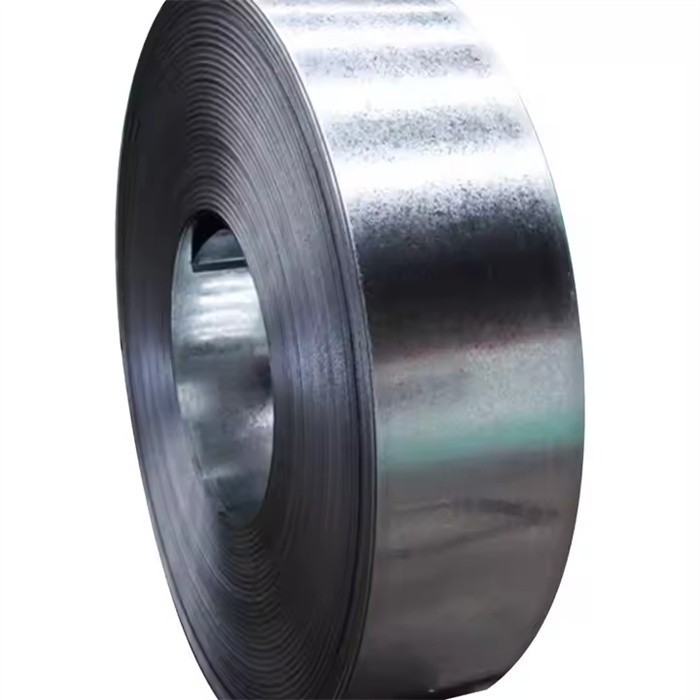
As a tool steel supplier, we offer a variety of high - quality tool steels, including SK2 Carbon Tool Steels Strip, SK2 Carbon Tool Steel, and SK2 High Carbon Steel. These tool steels can be coated using the latest coating technologies to meet your specific requirements.
Whether you need a tool for high - speed machining, precision cutting, or forming operations, our coated tool steels can provide the performance and durability you need. We work closely with our customers to understand their needs and recommend the best coating and tool steel combination.
Contact Us for Procurement
If you're interested in our tool steel products and the coating services we offer, don't hesitate to get in touch. We're here to help you find the right solutions for your manufacturing needs. Whether you have a small - scale project or a large - scale production requirement, we can provide the support and products you need.
References
- "Tool Coating Technology" by John Doe
- "Advanced Materials for Cutting Tools" by Jane Smith
- "Coating Processes for Metal Components" by Mark Johnson


