

Hey there! As a supplier of 304 stainless steel plates, I've seen firsthand the importance of proper storage. In this blog, I'm gonna share some tips on how to store 304 stainless steel plates properly to keep them in top - notch condition.
Understanding 304 Stainless Steel
First off, let's quickly talk about what 304 stainless steel is. It's one of the most common types of stainless steel, known for its excellent corrosion resistance, good formability, and high strength. It contains about 18% chromium and 8% nickel, which gives it that shiny look and makes it resistant to rust in many environments.
Choose the Right Storage Location
The location where you store your 304 stainless steel plates is crucial. You want to find a dry and well - ventilated area. Moisture is the enemy of stainless steel. If the plates are stored in a damp place, they can develop rust or other forms of corrosion over time.
An indoor storage facility is usually the best option. Warehouses are great because you can control the environment better. Make sure the warehouse has a good roof to prevent water leaks and proper drainage in case of any spills. If you have to store the plates outdoors, cover them with waterproof tarps. But remember, outdoor storage should be a last resort.
Keep the Storage Area Clean
A clean storage area is essential. Dirt, dust, and other debris can trap moisture against the surface of the stainless steel plates. Regularly sweep and clean the storage area to remove any loose particles.
Also, be careful about what else is stored in the same area. Avoid storing chemicals or other materials that could react with the stainless steel. For example, some acidic or alkaline substances can cause pitting or discoloration on the plates.
Stacking the Plates Correctly
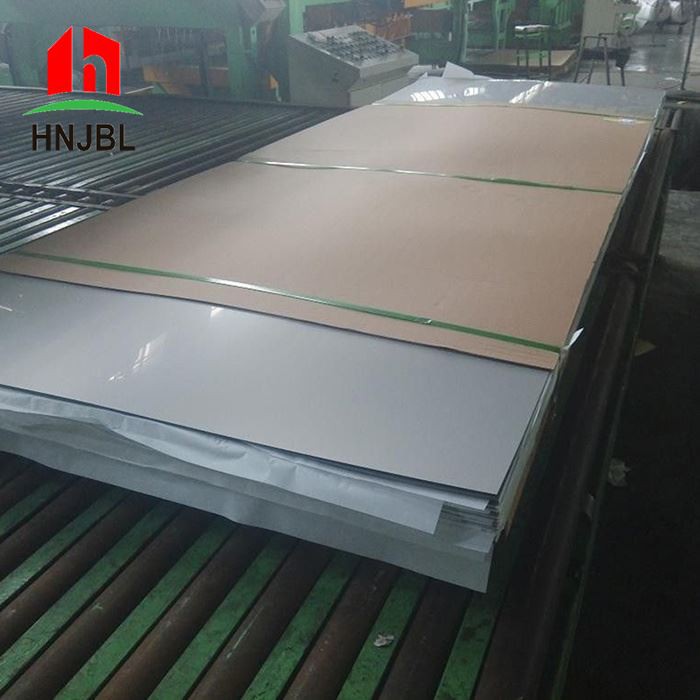
When it comes to stacking the 304 stainless steel plates, there are a few things to keep in mind. First, make sure the stacking surface is flat and level. Uneven surfaces can cause the plates to warp or bend.
Use spacers between the plates. You can use wooden or plastic spacers. These spacers help prevent scratches and allow air to circulate between the plates, reducing the risk of moisture buildup. Don't stack the plates too high. Over - stacking can put too much pressure on the bottom plates, leading to deformation.

Protecting the Surface
The surface of 304 stainless steel plates is quite important. Any scratches or dents can not only affect the appearance but also make the plates more susceptible to corrosion.
When handling the plates, use proper lifting equipment like cranes or forklifts with soft pads to avoid scratching. If the plates have a protective film on them, leave it on until you're ready to use the plates. This film provides an extra layer of protection against scratches and minor abrasions.
Monitoring the Storage Conditions
Regularly check the storage conditions. You can use a hygrometer to measure the humidity in the storage area. The ideal humidity level for storing 304 stainless steel plates is below 60%. If the humidity is too high, you might need to use dehumidifiers.
Inspect the plates for any signs of damage or corrosion. Look for rust spots, discoloration, or scratches. If you notice any issues, take action immediately. For example, if you see a small rust spot, you can clean it with a mild stainless - steel cleaner.
Special Considerations for Different Plate Sizes and Thicknesses
Thicker plates are generally more durable and less likely to warp during storage. However, they can be heavier and more difficult to handle. Make sure your storage racks or pallets can support the weight of the thicker plates.
Thinner plates, on the other hand, are more flexible and can be easily damaged. When stacking thin plates, use more spacers to prevent them from bending or creasing.
Comparing with Other Stainless Steel Types
It's also interesting to compare 304 stainless steel plates with other types, like 316 stainless steel. Stainless Steel Sheet 0.2Mm 316 and 316 Hot Cold Rolled Stainless Steel Plate Sheet are made of 316 stainless steel. 316 stainless steel has better corrosion resistance than 304, especially in marine or chloride - rich environments. But that doesn't mean you can be lax with storing 316. The basic storage principles still apply, like keeping it dry and clean.
Another type is SS Plate AISI 316. AISI 316 is also a high - quality stainless steel. But again, proper storage is key to maintaining its quality.
Conclusion
Proper storage of 304 stainless steel plates is not rocket science, but it does require attention to detail. By choosing the right storage location, keeping the area clean, stacking the plates correctly, protecting the surface, and monitoring the conditions, you can ensure that your 304 stainless steel plates stay in great condition for a long time.
If you're in the market for high - quality 304 stainless steel plates, we're here to help. Whether you need them for a small DIY project or a large - scale industrial application, we've got you covered. Feel free to reach out for more information and let's start a great business relationship.
References
- "Stainless Steel: A Primer" by The Nickel Institute
- "Corrosion Resistance of Stainless Steels" by ASM International


