

In the domain of metal cutting, the choice of saw blade steel is a critical factor that significantly influences the chip formation process. As a leading saw blade steel supplier, I have witnessed firsthand how different types of saw blade steels can transform the cutting experience and the resulting chip characteristics. This blog post will delve into the impact of saw blade steel on chip formation during cutting, exploring the various factors at play and how they interact to affect the overall cutting performance.
Understanding Chip Formation
Before we dive into the role of saw blade steel, it's essential to understand the basics of chip formation. When a saw blade cuts through a workpiece, the material is deformed and sheared off in the form of chips. This process involves several stages, including elastic deformation, plastic deformation, and finally, fracture. The characteristics of the chips, such as their shape, size, and thickness, can provide valuable insights into the cutting process and the performance of the saw blade.
Influence of Saw Blade Steel Properties on Chip Formation
Hardness
One of the most critical properties of saw blade steel is its hardness. Harder steels can maintain their edge sharpness for longer periods, resulting in more efficient cutting and better chip formation. When a saw blade is hard enough, it can penetrate the workpiece cleanly, causing the material to shear off in a controlled manner. This often leads to the formation of continuous, uniform chips.
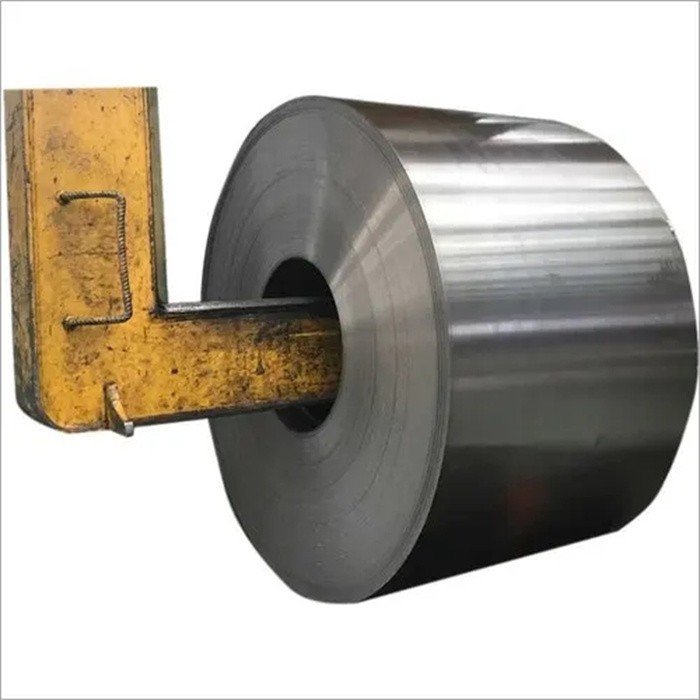
For example, ALLOY STEEL 50CRV4 is known for its high hardness and excellent wear resistance. When used in saw blades, it can cut through tough materials with ease, producing well - formed chips. On the other hand, if the saw blade steel is too soft, it will dull quickly, and the cutting process becomes less efficient. This can lead to the formation of irregular, jagged chips or even cause the chips to weld back onto the workpiece, a phenomenon known as built - up edge.

Toughness
While hardness is important, toughness is equally crucial. A tough saw blade steel can withstand the impact and vibration during cutting without cracking or chipping. This is particularly important when cutting hard or irregularly shaped workpieces.
Tough saw blade steels allow for a more flexible cutting process, where the blade can adapt to the changing forces during cutting. This results in a more stable chip formation process. For instance, JIS S50C has a good balance of hardness and toughness. It can absorb the energy generated during cutting, preventing the blade from failing prematurely and ensuring a consistent chip formation.
Chemical Composition
The chemical composition of saw blade steel also plays a vital role in chip formation. Different alloying elements can enhance specific properties of the steel. For example, chromium increases the hardness and corrosion resistance of the steel, while vanadium improves the wear resistance and grain refinement.
The presence of these elements can affect the way the steel interacts with the workpiece material during cutting. Special Alloy Steel S50C has a carefully designed chemical composition that combines the benefits of multiple alloying elements. This composition allows it to cut through a wide range of materials, producing chips with consistent characteristics.
Chip Formation Patterns and Saw Blade Steel
Different saw blade steels can produce distinct chip formation patterns. There are three main types of chip formation: continuous chips, segmented chips, and discontinuous chips.
Continuous Chips
Continuous chips are formed when the cutting process is smooth and the material is sheared off in a continuous manner. This type of chip formation is often associated with sharp, hard saw blade steels cutting through ductile materials. The chips are long, thin, and unbroken, indicating an efficient cutting process. Saw blades made from high - performance steels like ALLOY STEEL 50CRV4 are more likely to produce continuous chips when cutting materials such as mild steel or aluminum.
Segmented Chips
Segmented chips occur when the material experiences periodic cracking during the shearing process. This can be due to a combination of factors, including the hardness of the saw blade steel, the cutting speed, and the properties of the workpiece material. Medium - hardness saw blade steels may produce segmented chips when cutting materials with intermediate ductility.
Discontinuous Chips
Discontinuous chips are formed when the material breaks into small pieces during cutting. This often happens when cutting brittle materials or when the saw blade is dull or worn. Saw blade steels with insufficient hardness or toughness may also contribute to the formation of discontinuous chips. In some cases, discontinuous chips can be a sign of a problem with the cutting process, such as excessive cutting force or incorrect cutting parameters.
Impact of Chip Formation on Cutting Performance
The quality of chip formation has a direct impact on the overall cutting performance. Well - formed chips can reduce the cutting force, improve the surface finish of the workpiece, and extend the life of the saw blade.
When the chips are continuous and uniform, they can flow smoothly away from the cutting zone, preventing chip clogging. This reduces the heat generated during cutting, which in turn reduces the wear on the saw blade. On the other hand, irregular or poorly formed chips can cause problems such as increased cutting force, poor surface finish, and premature blade failure.
Choosing the Right Saw Blade Steel for Optimal Chip Formation
As a saw blade steel supplier, I understand the importance of choosing the right steel for your specific cutting needs. When selecting a saw blade steel, you should consider the following factors:
Workpiece Material
The type of material you are cutting is the most important factor. If you are cutting ductile materials, a hard and sharp saw blade steel like ALLOY STEEL 50CRV4 may be the best choice to produce continuous chips. For brittle materials, a saw blade steel with good toughness may be more suitable to prevent excessive chipping and breakage.
Cutting Conditions
The cutting speed, feed rate, and depth of cut also affect chip formation. High - speed cutting may require a saw blade steel with excellent heat resistance to maintain its edge sharpness. Similarly, heavy - duty cutting operations may need a saw blade steel with high toughness to withstand the increased cutting forces.
Cost - Effectiveness
Finally, you need to consider the cost - effectiveness of the saw blade steel. While high - performance steels may offer better chip formation and cutting performance, they may also be more expensive. It's important to find a balance between performance and cost.
Conclusion
In conclusion, the saw blade steel has a profound impact on the chip formation during cutting. The properties of the saw blade steel, such as hardness, toughness, and chemical composition, determine the type of chips formed and the overall cutting performance. As a saw blade steel supplier, I am committed to providing high - quality steels that meet the diverse needs of our customers.
Whether you are looking for a saw blade steel to produce continuous chips for a smooth cutting process or one that can handle the challenges of cutting difficult materials, we have the right solution for you. If you are interested in learning more about our saw blade steels or would like to discuss your specific cutting requirements, please do not hesitate to contact us for a procurement discussion. We are here to help you achieve optimal chip formation and enhance your cutting performance.
References
- Trent, E. M., & Wright, P. K. (2000). Metal Cutting. Butterworth - Heinemann.
- Shaw, M. C. (2005). Metal Cutting Principles. Oxford University Press.
- Kalpakjian, S., & Schmid, S. R. (2009). Manufacturing Engineering and Technology. Pearson Prentice Hall.


